

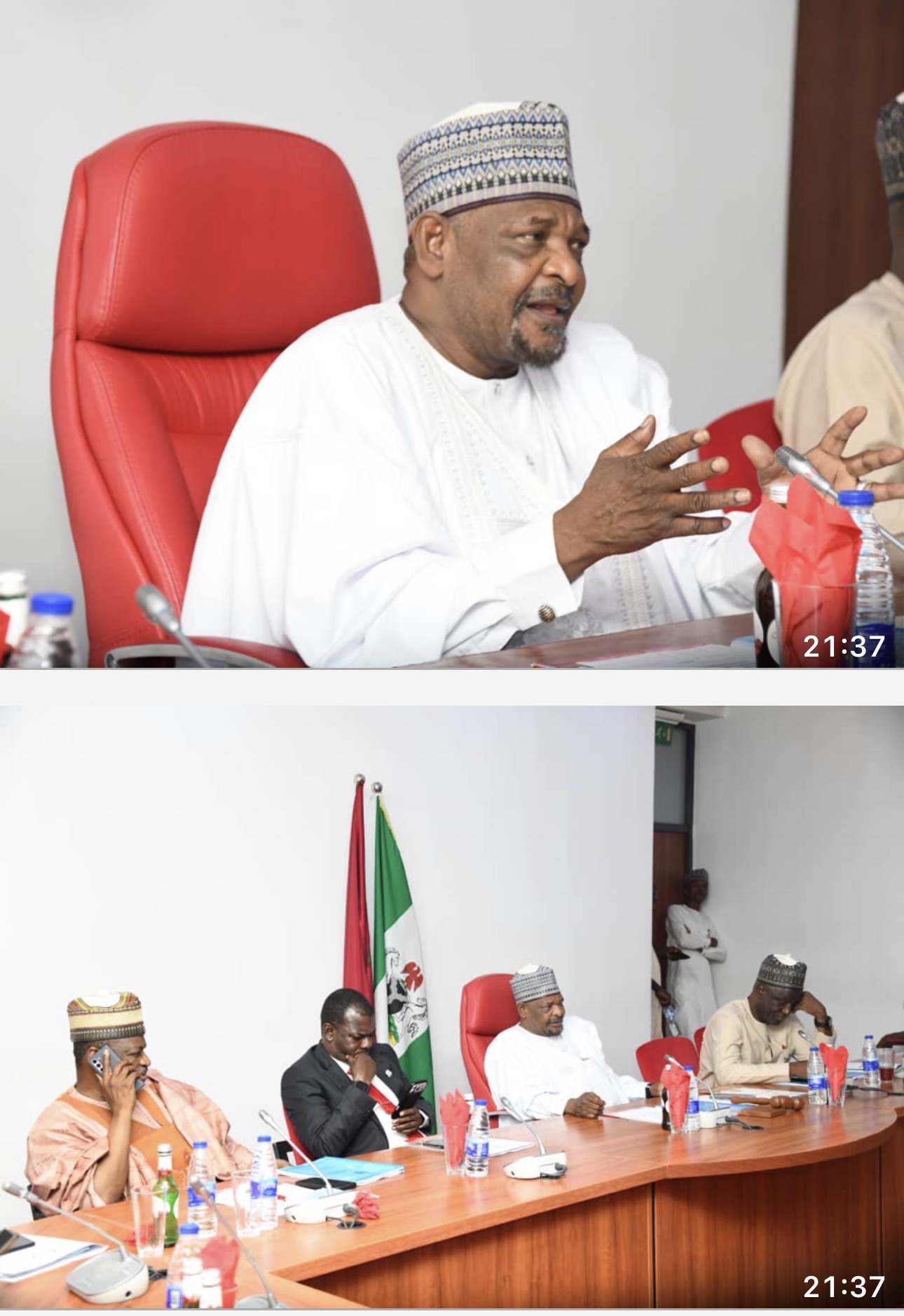
The Senate Committee on Livestock Development has raised concerns over discrepancies between the revenue-generating potential of agencies under the Federal Ministry of Livestock Development and the revenues they report, calling for stronger accountability, improved financial management and measures to prevent revenue leakages.
Deputy Chairman of the Committee, Senator Abdul Ningi, made this known on Tuesday during an interactive session with agencies under the Ministry at the National Assembly in Abuja, where he outlined the objectives of the Committee’s planned oversight visits.
Ningi said the Committee was concerned that some agencies engaged in revenue-generating activities might not be adequately accounting for the financial resources arising from their operations. He stressed the need to examine their revenue profiles, collection procedures and financial records to establish whether public resources were being properly managed.
He identified several potential sources of internally generated revenue available to the institutions, including tuition and other student-related fees, annual dues, professional registration and certification fees, grants, research activities, laboratory services, consultancy and technical services.
According to him, effectively harnessing these revenue streams could strengthen the financial capacity of the agencies, improve service delivery and reduce their excessive dependence on government funding.
The Senator, however, expressed concern over the adequacy of existing revenue collection mechanisms, the completeness of financial reports and the extent to which funds generated by the agencies were properly documented and accounted for.
He explained that the planned oversight exercise would enable the Committee to assess the operational realities, financial conditions, revenue streams and institutional challenges confronting the agencies, as well as determine whether their available resources were sufficient to discharge their statutory responsibilities.
Ningi said the Committee would also examine the efficiency, transparency and effectiveness of their revenue collection and management systems, with a view to identifying areas requiring improvement.
He emphasised that the exercise was not intended to intimidate the agencies or create an atmosphere of suspicion, describing it instead as a fact-finding and institution-building initiative designed to identify gaps, address weaknesses and strengthen institutional performance.
The Deputy Chairman noted that livestock development institutions played critical roles in national food security, public health and economic growth, adding that the effective discharge of their responsibilities required adequate funding, modern infrastructure, qualified personnel and efficient administrative systems.
He said the Committee recognised the importance of animal health, evidence-based practices, regulatory control, manpower development, animal protection and environmental services to the development of the livestock sector and the achievement of the Federal Government’s livestock development objectives.
According to Ningi, these responsibilities could not be effectively discharged without adequate funding and sound financial management, making it necessary to strengthen the institutions’ financial and administrative capacities.
He said the oversight visits would provide an opportunity to examine the revenue profiles of the agencies, the volume of funds generated, the processes through which such revenues were collected, the adequacy of financial records and compliance with applicable treasury and financial regulations.
The exercise, he added, would also focus on identifying possible revenue leakages, weaknesses in internal control systems and administrative bottlenecks capable of undermining the effective management of public resources.
Ningi stressed that addressing these weaknesses would help improve transparency, strengthen accountability and ensure that available resources were deployed efficiently in support of the agencies’ statutory mandates.
He urged members of the Committee and officials of the agencies to approach the exercise with a shared commitment to improving efficiency, promoting financial discipline and reducing revenue losses.
The Senator assured the agencies that the Committee was not a court of law but a partner working within the provisions of the Nigerian Constitution to promote effective governance and institutional development.
He called for openness, cooperation and shared responsibility throughout the oversight process, expressing hope that its outcome would lead to the establishment of stronger administrative mechanisms capable of sustaining improved institutional performance beyond the tenure of the current Committee.
The interactive session was convened to discuss the scope and modalities of the planned oversight visits and secure the cooperation of the agencies in the Committee’s efforts to strengthen accountability, improve revenue administration and promote sound financial management across the livestock development sector.

