About Author


Lastest News Nigeria, Politics, Business, Sport, Interview
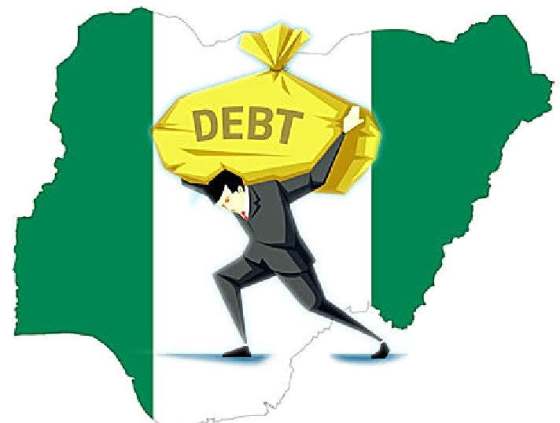
The Federal Government borrowed ₦4.79 trillion more than approved in 2024 after revenue fell well short of expectations, according to a new Budget Office report. This overspend forms part of a troubling pattern in Nigeria’s rising debt profile, which now demands urgent attention from policymakers. The Fourth Quarter and Consolidated Budget Implementation Report showed total borrowing hit ₦12.62 trillion, a 61.2 per cent jump over the ₦7.83 trillion originally planned.
The wider fiscal deficit, which reached ₦13.51 trillion against a projected ₦9.18 trillion, stemmed mainly from poor revenue collection rather than overspending. Government revenue totalled ₦20.98 trillion, missing its ₦25.88 trillion target by ₦4.90 trillion. Meanwhile, total expenditure stayed close to budget at ₦34.49 trillion. The Budget Office confirmed that “the revenue and expenditure outturn of the Federal Government resulted in a fiscal deficit of ₦13.51tn in the 2024 fiscal year. This was ₦4.34tn (47.33 per cent) above the projected budget deficit estimate for the year.”
Oil revenue disappointed badly, falling ₦4.93 trillion short as crude prices and production both underperformed. Non-oil revenue, however, exceeded targets by ₦5.29 trillion, boosted by stronger tax and customs collections. Debt servicing costs also surged 52.71 per cent above budget, adding further strain. By December 2024, Nigeria’s total public debt had climbed to ₦144.67 trillion, pushing the debt-to-GDP ratio to 61.22 per cent — well above safe thresholds.
Economists remain divided on the implications. CSA Advisory’s Aliyu Ilias warned that unchecked borrowing could fuel inflation, saying “The fact is that it has negative and positive impacts. But the negative impact is that we already have issues of debt service.” Others, including economist Olusegun Omisakin, argued that how funds are spent matters more than the borrowing itself. Finance Minister Taiwo Oyedele defended the government’s approach, stating “A nation that borrows to finance productive assets generating returns above the cost of capital is behaving rationally.”
As Nigeria’s rising debt continues to spark debate, experts agree that stronger revenue generation will be key to easing future pressure.
Should Nigeria slow down borrowing, or does investment in infrastructure justify the risk?

