About Author


Lastest News Nigeria, Politics, Business, Sport, Interview
By Jerry Williams
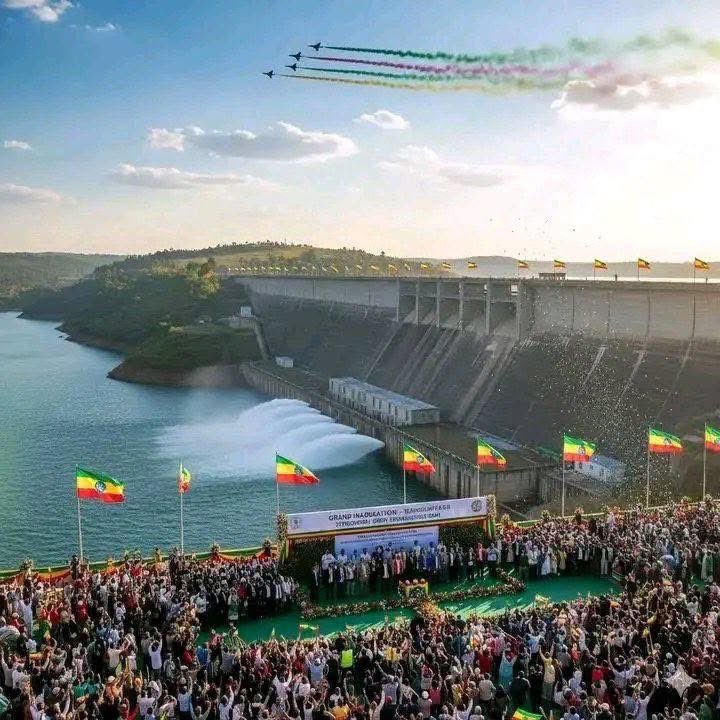
Ethiopia has officially commissioned the Grand Ethiopian Renaissance Dam (GERD), Africa’s largest hydropower project, marking a milestone not just in engineering, but in national unity and self-reliance.
Spanning over 12 years of construction, from 2011 to 2023, the $5 billion dam has an installed capacity of 5.51 gigawatts. It is set to supply electricity across Ethiopia and turn the country into a net power exporter to neighbouring nations, including Kenya.
What makes GERD remarkable is not only its scale but how it was funded. Facing strong opposition from Egypt—which relies on the Nile for 90% of its water supply and feared the dam would restrict its flow—Ethiopia found itself isolated from international donors. In response, the government turned inward. Patriotic fundraising efforts included taxing local institutions, issuing “Renaissance Bonds,” and encouraging civil servants to donate a portion of their salaries.
Ethiopians at home and abroad responded with powerful unity. In one year alone (2023–2024), the government raised $21 million for the dam, with $10 million coming from the diaspora over three years.
Perhaps most symbolic was the support from Ethiopia’s Somali Region—long viewed with suspicion by the central government due to historical tensions, including the Ogaden War. Yet political figures from this region, like MP Abdifatah Hussein Abdi, donated 3–4% of their salaries for over a decade. In 2014, the Ethiopian-Somali community in Stockholm held fundraising events, while Somali Region leaders declared full support for GERD.
“This is our dam,” read a banner at the commissioning ceremony—a powerful reflection of how GERD transcended ethnic, regional, and class divides. It became a symbol of Ethiopian resilience, unity, and determination to shape its own future.
Ethiopia’s achievement is a lesson for the continent on the power of local ownership and collective national pride.

