

|By Adejumo Adekunle
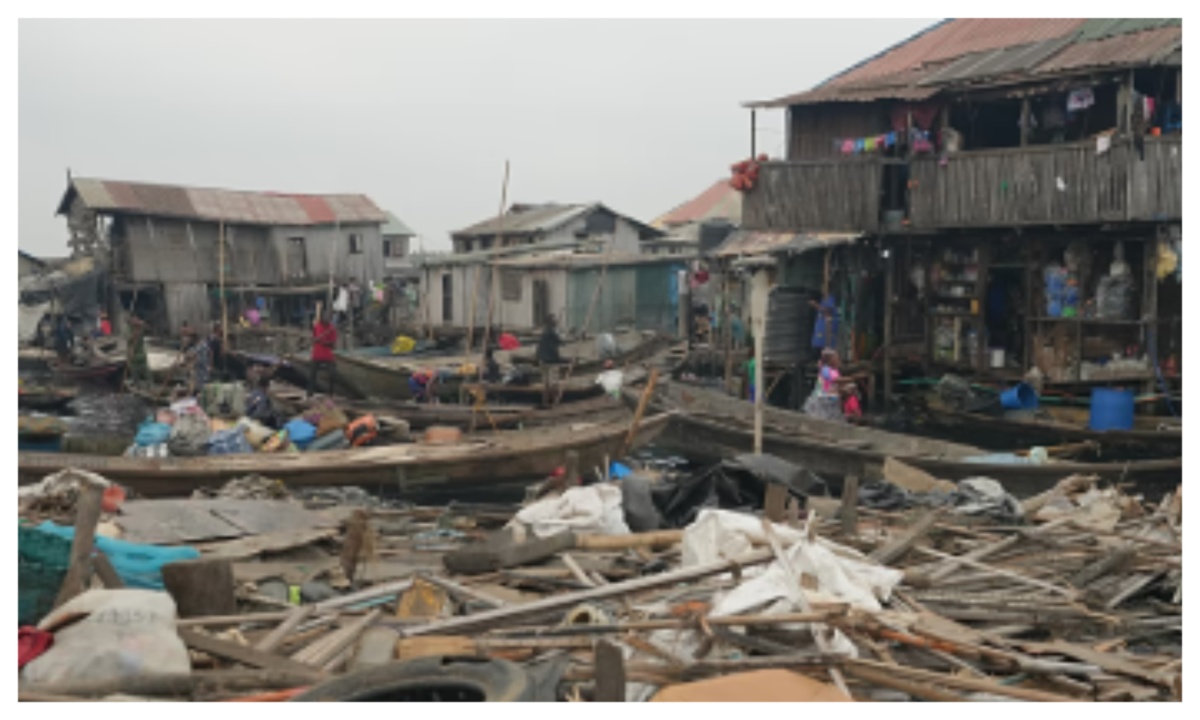
The Lagos State Government has firmly dismissed allegations of land grabbing in the ongoing demolition of structures in the Makoko fishing community, insisting the exercise is driven strictly by safety concerns.
The government’s position was made public on Monday by the Special Adviser to the Governor on Urban Development and E-GIS, Dr Olajide Babatunde, during a media briefing at the Bagauda Kaltho Press Centre in Alausa, Ikeja.
Babatunde explained that the structures being removed were erected directly beneath high-tension electricity poles, exposing residents to grave danger. He stressed that the action was necessary to prevent loss of lives and was part of a statewide safety enforcement programme rather than a targeted move against Makoko.
According to him, the demolition forms part of a broader urban safety initiative that extends beyond Makoko, noting that similar interventions are ongoing in other vulnerable communities across Lagos.
He further disclosed that the regeneration of the remaining parts of Makoko would be executed in phases, with deliberate efforts to prioritise residents’ welfare and minimise disruption during the development process.
Babatunde also highlighted the health hazards and environmental risks associated with living under high-tension power lines, adding that the removal of such unsafe structures is a continuous exercise across the state.
“Urban regeneration in Lagos is not limited to Makoko and Oworonshoki. Other areas previously and currently undergoing similar interventions include Pelewura, Kantangowa and Oko-Baba, among others,” he said.
He emphasised that the enforcement of safety regulations did not begin under the current administration, describing it as a long-standing policy aimed at creating a safe and orderly city.
“The removal of these structures has been an ongoing process. We will continue to enforce regulations to ensure a safe environment and make Lagos the city we all aspire to live in,” Babatunde added.
However, the exercise has continued to draw resistance from some affected residents, who argue that their demolished homes were not located under high-tension wires. They also accused the state government of acting against the interests of poor and vulnerable communities.

