About Author


Lastest News Nigeria, Politics, Business, Sport, Interview
|By Babatunji Wusu
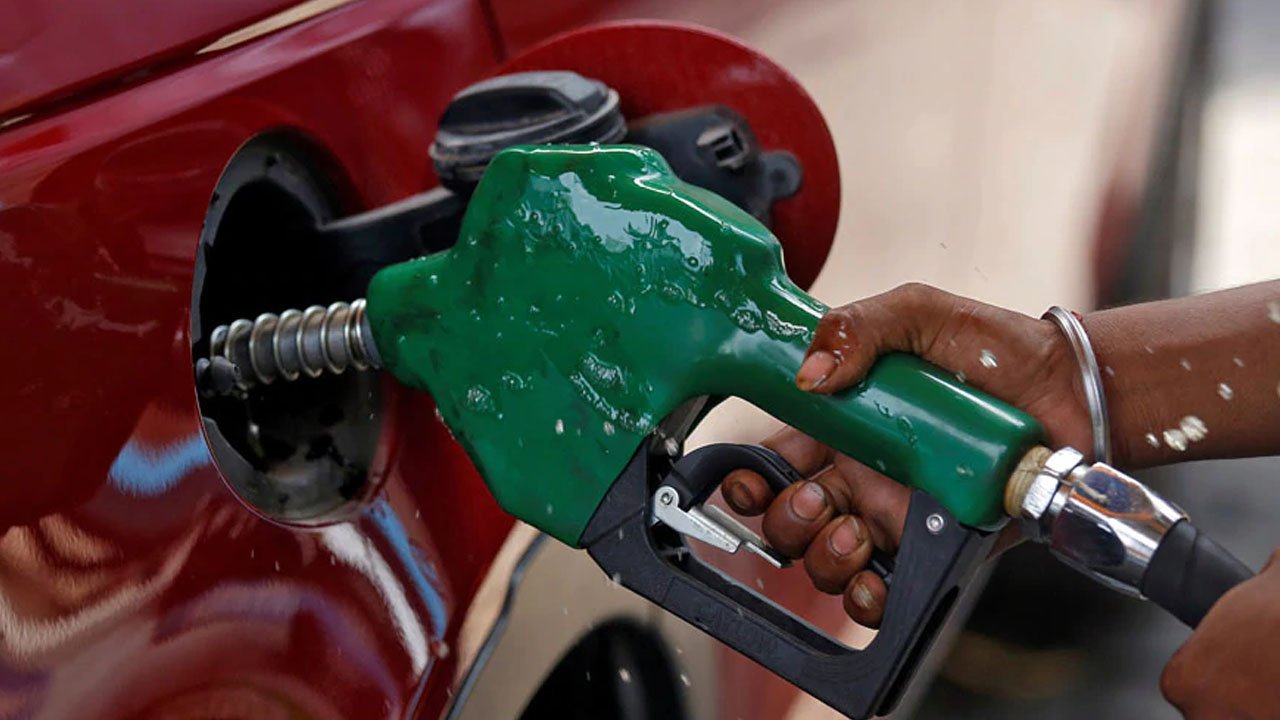
Nigeria and Vietnam have recorded the sharpest rise in fuel pump prices globally following the escalation of tensions involving Iran, the United States and Israel in the Middle East.
The conflict, which entered its 19th day on Thursday, has triggered a surge in global crude oil prices, with ripple effects hitting domestic fuel markets across several economies.
The crisis has thrown the Gulf region into turmoil, disrupting trade routes through the Strait of Hormuz and affecting key Middle Eastern energy facilities.
Data released by UK-based firm Investinsight shows that Vietnam recorded the highest increase in gasoline prices at 50 percent, followed by Nigeria with a 40 percent surge since the conflict began.
Other countries, including Australia, the United States, Singapore, Germany, Spain, Canada, and China, recorded moderate increases ranging between 10 percent and 17.2 percent within the same period.
In contrast, countries such as Colombia, Brazil, India, and Russia saw minimal changes, with petrol price movements ranging from -3.1 percent to 0.4 percent.
In Nigeria, the impact has been particularly severe. Petrol prices have surged dramatically over the past 19 days, rising to between ₦1,261 and ₦1,330 per litre in Abuja and surrounding areas, up from ₦875 to ₦900 per litre before the escalation.
This translates to a 44 to 48 percent increase, placing additional pressure on consumers already grappling with inflation.
The spike follows a price adjustment by the Dangote Refinery, which raised its gantry price of petrol to ₦1,175 per litre, up from ₦799 per litre prior to the conflict.
The increase comes amid a sharp rise in crude oil prices, which have climbed above $100 per barrel as supply chains in the Middle East continue to face disruptions.

