

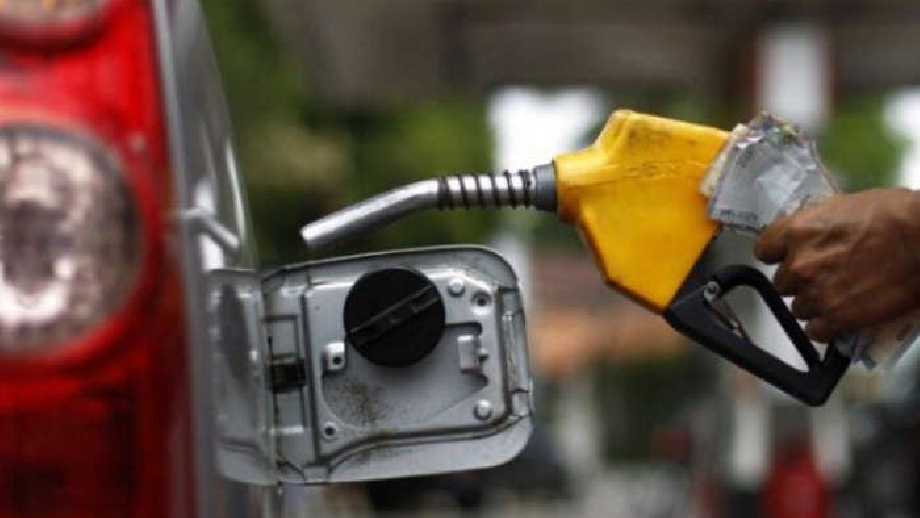
Labour leaders and pro-democracy activists have called on Nigerians to unite against rising petrol prices, worsening economic hardship and government policies they say have increased poverty among workers and ordinary citizens.
The call came during a memorial celebration and symposium in Lagos honouring late activist Abiodun Aremu. Participants included the Nigeria Labour Congress (NLC), human rights lawyer Femi Falana, SAN, and members of the Joint Action Front (JAF).
NLC President Joe Ajaero, represented by Acting General Secretary Benson Upah, said fuel subsidy removal had severely affected workers and low-income households. He cited rising transport fares, food prices and electricity tariffs, alongside the naira’s depreciation, as factors making daily life increasingly difficult.
“The removal of fuel subsidy has devastated Nigeria’s working class and masses,” the NLC President stated.
Ajaero noted that a bag of rice, previously sold for about ₦30,000, now cost more than ₦80,000, while bread prices had risen from around ₦500 to ₦1,500. He added that higher electricity costs had forced some small businesses to close, while imported medicines and industrial materials had become more expensive.
The NLC disclosed that it issued the Federal Government a two-week ultimatum on October 9, demanding an immediate reduction in petrol prices. Ajaero said workers earning the national minimum wage of ₦70,000 could no longer cope with fuel prices exceeding ₦1,400 per litre in many areas.
“The ₦70,000 minimum wage was inadequate when it was announced. It is now a cruel joke,” he said.
The union also urged the government to stabilise the naira, reduce inflation and strengthen domestic refining capacity.
Falana challenged the argument that removing fuel subsidies was the only option, noting that several countries continue to subsidise fuel and essential services. He also criticised the government’s position on petrol landing costs, saying transport and distribution expenses further increase the price paid by consumers.
Meanwhile, JAF representative Rashidat Adesina said a worker earning ₦70,000 monthly could afford only 50 litres of petrol at ₦1,400 per litre, before paying for food, rent, school fees and other necessities.
The speakers called for a review of economic policies, better protection for vulnerable households and measures to ease the cost of living.

