

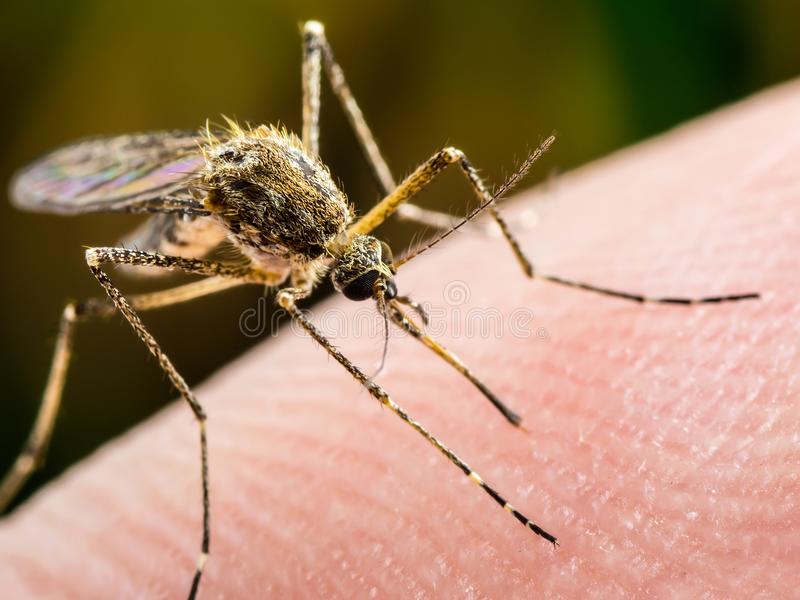
Malaria test positivity in Oyo State has risen to 42 per cent, up from 29 per cent in April, following the start of the rainy season.
The State Malaria Elimination Programme Manager, Mrs Foluke Adeyemo, disclosed this while presenting the state’s second-quarter malaria performance indicators at the quarterly Oyo State Malaria Technical Working Group meeting.
Adeyemo said malaria positivity based on rapid diagnostic tests increased from 29 per cent in April to 36 per cent in May and 42 per cent in June. She linked the rise to the rainy season, which creates more breeding conditions for mosquitoes and increases malaria transmission.
Despite the increase, Oyo maintained a 99 per cent treatment rate for confirmed uncomplicated malaria cases. Health workers treated the cases with artemisinin-based combination therapy in line with national guidelines.
However, Adeyemo raised concerns about some private health facilities that do not follow recommended testing and treatment procedures. “Some private facilities are not compliant with testing and treatment of uncomplicated malaria with ACT,” she said, calling for stronger engagement with the facilities.
The state achieved 100 per cent reporting and timely reporting in April and May, while June recorded 100 per cent timely reporting and 99 per cent overall reporting.
Malaria microscopy accounted for 73.9 to 95 per cent of fever testing during the quarter, while rapid diagnostic test use ranged from 12 to 15 per cent. IPTp1 uptake among pregnant women stood between 77 and 89 per cent, while insecticide-treated net distribution recorded 71 to 74 per cent.
Despite rising malaria positivity in Oyo, reported cases declined year-on-year. Q1 cases fell from about 177,000 to 142,000, while Q2 cases dropped from 263,216 to about 179,000. Positive cases also declined in both quarters.
Health officials attributed the decline partly to stronger prevention efforts but identified poor documentation, commodity data discrepancies and gaps in case management as continuing challenges.
Officials called for better data reconciliation, stronger adherence to treatment guidelines, improved referral of severe cases and greater deployment of trained malaria microscopists to high-volume facilities.
Can Oyo State sustain its malaria control gains despite rising transmission during the rainy season?

