About Author


Lastest News Nigeria, Politics, Business, Sport, Interview
By Babatunji Wusu
A rapidly escalating conflict in the Middle East has led to the closure of several U.S. embassies and sweeping airspace restrictions across the region, just days after U.S. President Donald Trump signaled a limited four-to-five-week air campaign.
Iran’s retaliation has reportedly extended beyond initial targets, with Gulf states including Saudi Arabia and Kuwait confirming drone and missile incidents near sensitive sites, including areas around U.S. diplomatic facilities. Washington subsequently closed its embassies in Riyadh and Kuwait City and temporarily halted operations in Beirut.
Airspace has been closed or heavily restricted in several countries, including Iran, Iraq, and Kuwait, with aviation authorities citing ongoing security concerns.
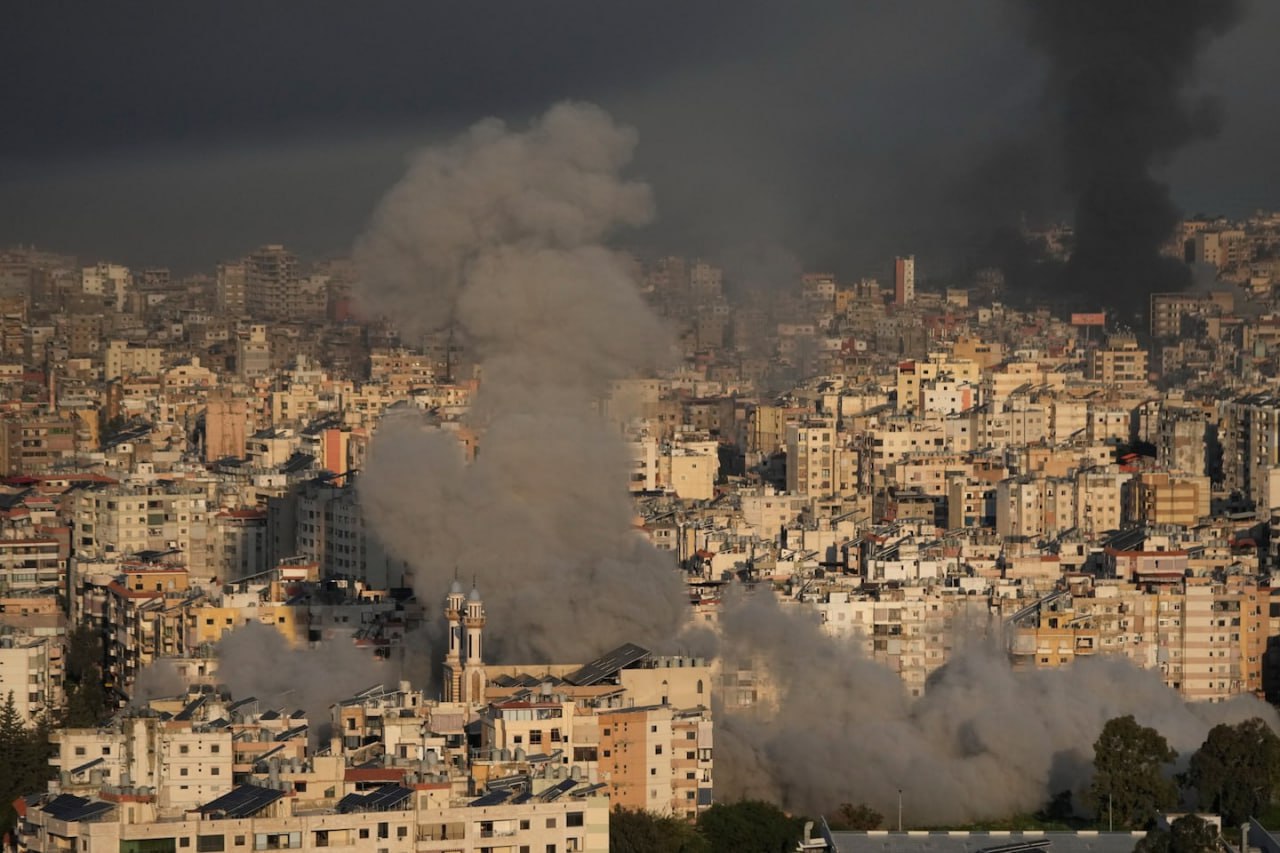
Meanwhile, Israel has reported fresh strikes on high-profile targets in Tehran and expanded ground operations in southern Lebanon, where Hezbollah has responded with missile and drone attacks.
Casualty figures continue to mount. The Pentagon has acknowledged the deaths of six U.S. service members, with additional casualties under review. Iranian officials report hundreds killed across multiple cities, while Lebanon’s health ministry and Israeli authorities have released their own fatality counts. Regional estimates suggest the combined death toll has surpassed 800 within days.
President Trump has since indicated that U.S. operations could extend beyond the initially outlined timeframe, suggesting military engagement may continue longer than first anticipated as the situation evolves.

