

By Jerry Williams
WASHINGTON, D.C. — The United States has doubled tariffs on a wide range of Indian exports to 50%, sharply escalating trade tensions with New Delhi in response to its continued oil imports from Russia.
The sweeping hike, which took effect Wednesday, targets 55% of Indian exports to the U.S., affecting trade worth an estimated $87 billion, according to Reuters. The previous tariff rate stood at 25%.
The move has rattled Indian industries, especially small and medium-sized exporters. Analysts predict export orders could plunge by up to 30%, hitting labor-intensive sectors the hardest—textiles, seafood, leather, and jewelry among them.
Indian trade bodies say order cancellations are mounting, while exporters warn that Bangladesh and Vietnam could step in to take their market share.
“This tariff shock could cripple hundreds of Indian businesses,” one Mumbai-based exporter told AFP. “We’re losing contracts overnight.”
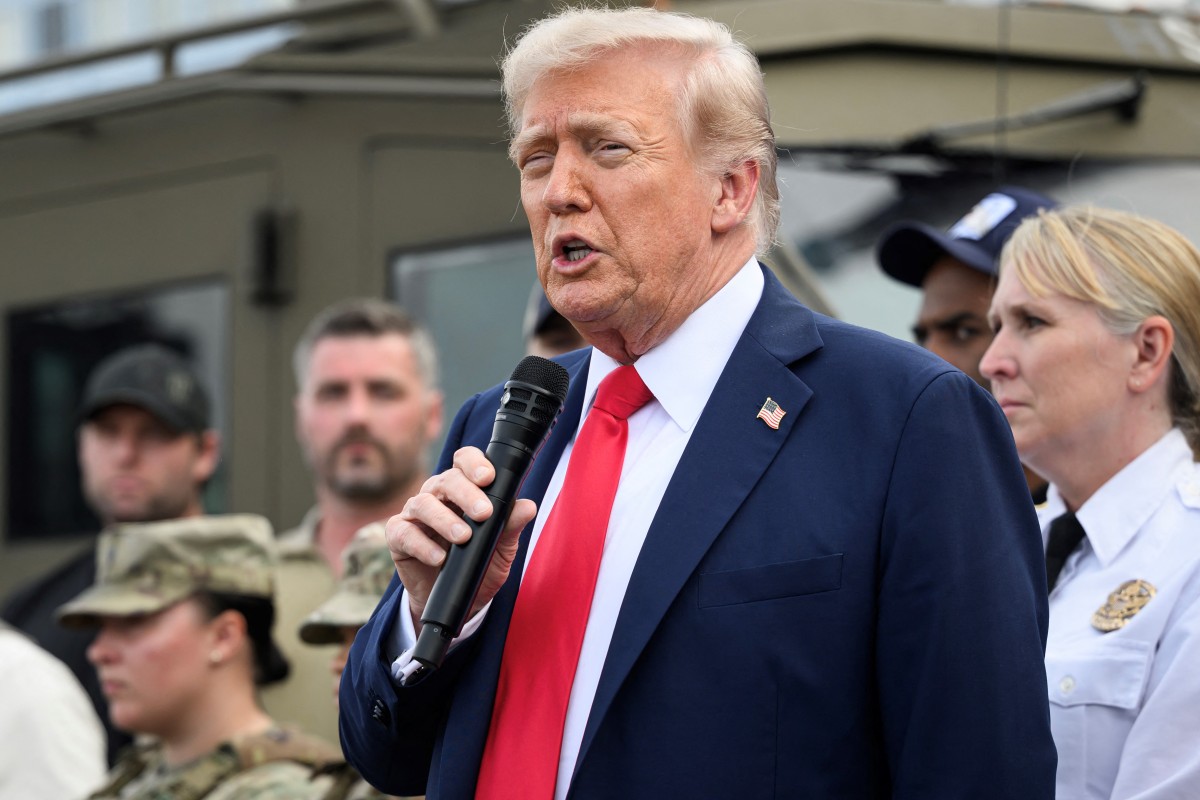
Although the U.S. and India are considered strategic allies, this latest move signals a sharp diplomatic downturn. President Trump has accused India of profiteering off cheap Russian oil and vowed to respond with tough economic measures.
Yet critics point to uneven enforcement—noting that China, which imports even more Russian oil, faces fewer penalties.
“This is one of the most troubling developments in the Trump tariff saga,” said Wendy Cutler, vice president at the Asia Society Policy Institute. “India has gone from a potential trade partner to one of the most heavily targeted nations. These high tariffs could take years to repair trust.”
Meanwhile, other nations are reacting. Reports say 25 countries have suspended package deliveries to the U.S., citing confusion and costs tied to new customs requirements linked to the tariff regime.
With no signs of negotiation on the horizon, exporters on both sides brace for a prolonged standoff.

