

By Jerry Williams
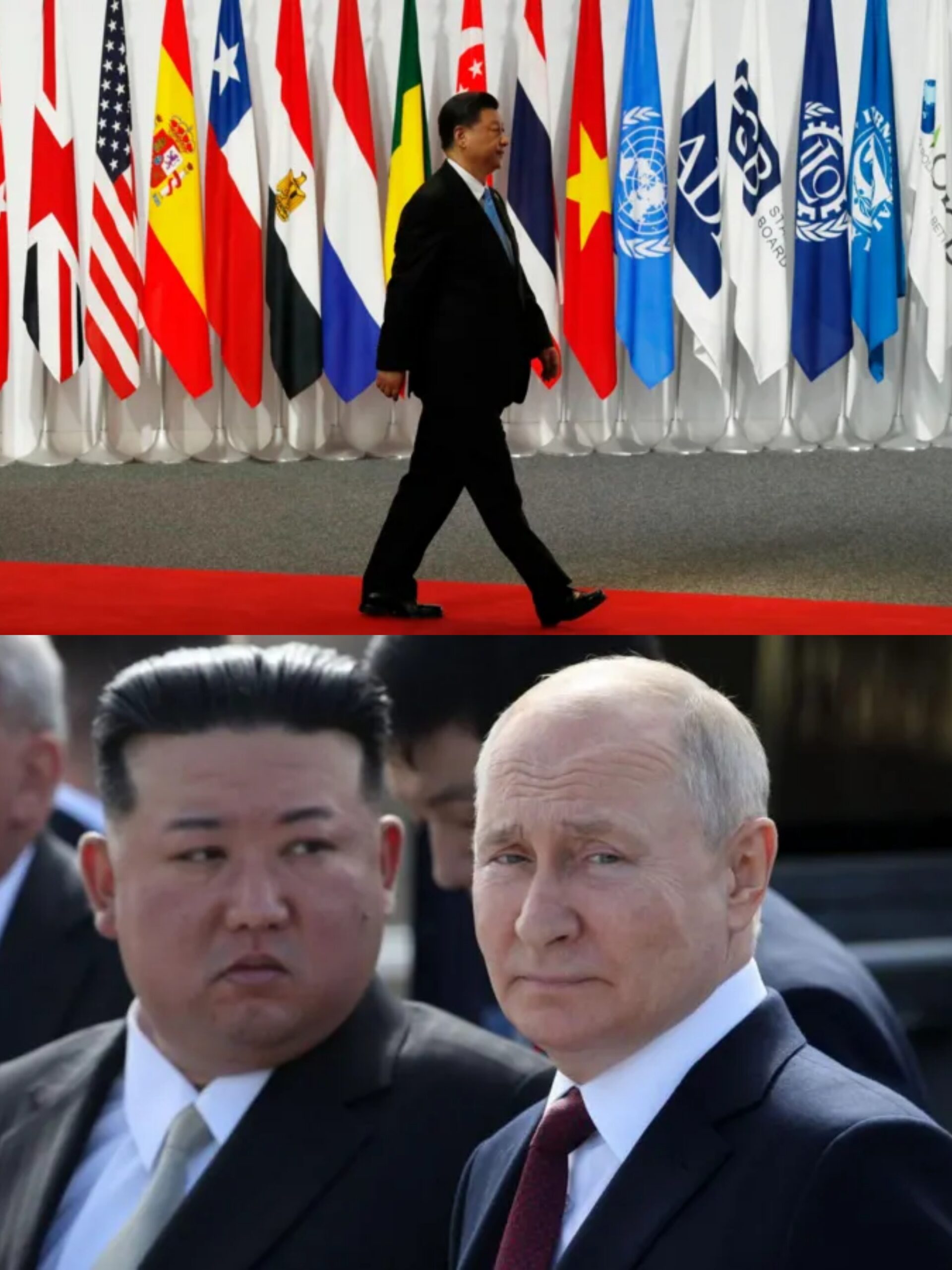
BEIJING — Chinese President Xi Jinping has positioned himself at the center of a high-stakes geopolitical chessboard, hosting North Korea’s Kim Jong Un and Russia’s Vladimir Putin ahead of a potential summit with US President Donald Trump.
The powerful image of Kim and Putin standing beside Xi at an upcoming military parade in Beijing signals more than just pageantry—it marks a strategic win for Xi, who appears keen to showcase China’s rising diplomatic clout while Washington grapples with global instability.
Xi’s move underscores his ambition to portray China not only as a global economic force, but also as a central peace broker—particularly in crises where US influence has stalled.
“This is Xi showing Trump—and the world—that he holds more cards than anyone else right now,” said one senior Asian affairs analyst.
As Trump struggles to clinch a ceasefire deal with Putin over Ukraine and seeks a third summit with Kim, Xi is already sitting down with both. This triple play, analysts say, gives him considerable leverage ahead of his anticipated October meeting with Trump.
Power Plays on Display
The military parade on September 3, commemorating 80 years since Japan’s WWII surrender, will now also serve as a diplomatic stage. For Kim, the invitation is monumental—it’s his first attendance at a Chinese military parade since 1959 and offers rare international legitimacy. For Putin, it signals solidarity as global condemnation of Russia’s war in Ukraine grows louder.
Xi, meanwhile, gains crucial intel and strengthens his bargaining power. A White House insider suggested Trump would welcome a summit with Xi to resolve trade disputes, TikTok ownership issues, and the deepening China-Russia-North Korea axis.
“After meeting both Kim and Putin, Xi can enter a Trump summit with inside knowledge the US may lack,” a senior diplomat noted.
High Stakes and Deep Tensions
China’s ties with North Korea had appeared strained in recent years, especially as Kim cozied up to Putin. But next week’s visit from Kim shatters that illusion. With nearly 90% of North Korea’s food imports coming from China, Beijing remains Pyongyang’s most critical ally.
Beijing has officially maintained neutrality on the Ukraine war, but Western nations have accused it of quietly aiding Moscow through dual-use component exports. Now, Xi could offer Trump what he needs most—a pathway to peace in Ukraine.
Could Xi repeat his 2018 role and help orchestrate another Trump-Kim summit? Possibly. More intriguingly, is there space on the horizon for a four-way summit between Trump, Xi, Putin, and Kim?
If that happens, it won’t just reshape power dynamics—it could redefine the future of global diplomacy.

