

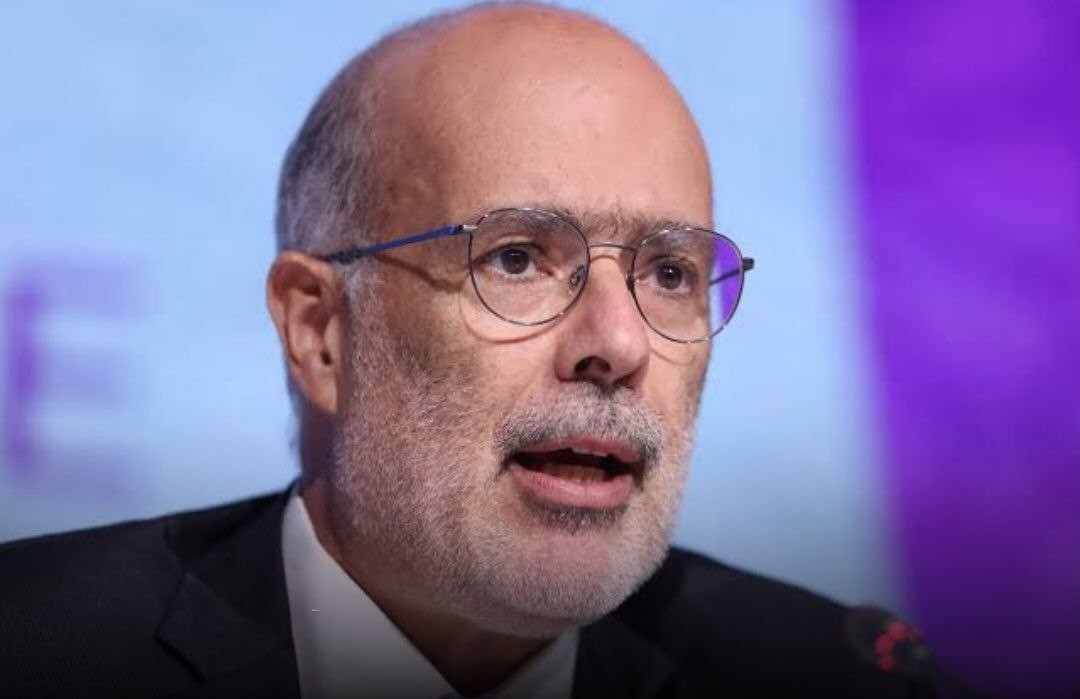
The recommendation came during the 2026 IMF-World Bank Annual Meetings in Bangkok, Thailand, where Rodrigo Valdés, director of the IMF’s Fiscal Affairs Department, warned that general fuel subsidies placed a heavy burden on public finances and often favoured wealthier consumers.
“Protecting people is not the same as protecting the price of fuels,” Valdés said.
He explained that keeping fuel prices below market levels could increase government spending and prevent consumers from adjusting their demand when supplies were limited. According to him, measures that shielded prices from energy shocks had cost countries between one and 1.5 per cent of gross domestic product (GDP) in 2026.
Valdés called on governments to strengthen social safety nets and use household data to identify people who need financial support.
Davide Furceri, a division chief in the IMF department, also recommended using money spent on blanket subsidies to fund targeted programmes, including transport support, school feeding and assistance for vulnerable farmers.
“Gasoline could go up, and perhaps bus fees may be subsidised in a way that is a much better policy at the end of the day than just a blanket subsidy for everybody,” Furceri said.
He recognised that some countries lacked the systems required to deliver targeted assistance but encouraged them to consider temporary measures.
The advice comes as the Federal Government rolls out a 30-day petrol discount at Nigerian National Petroleum Company Limited (NNPC) retail stations, with public transport operators given priority.
Finance Minister Taiwo Oyedele said NNPC retail would sell petrol at cost by giving up its retail profit margin. He described the arrangement as temporary relief, not a return to fuel subsidy.
The government has also proposed negotiating an ex-gantry petrol price ceiling of ₦1,350 per litre.
The IMF’s position puts the focus on how Nigeria can ease the burden of rising fuel costs on vulnerable citizens without returning to broad subsidies that strain public finances.

