

Plateau State has recorded an estimated 11,000 tuberculosis (TB) cases in 2026, with 2,047 patients identified between July and September.
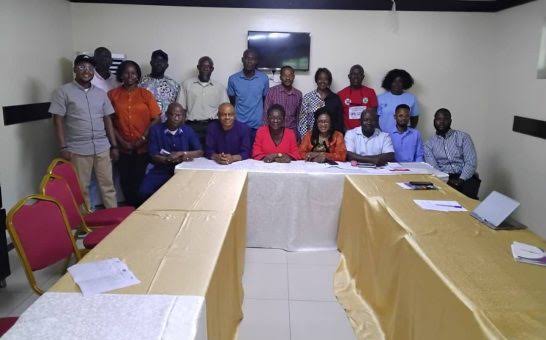
The State Monitoring and Evaluation Officer of the Tuberculosis and Leprosy Control Programme, Yohanna Bot, disclosed the figures in Jos during a media advocacy meeting organised under the Global Fund’s Integrated Community-Led Monitoring (ICLM) Project.
Bot said tuberculosis remained a major public health concern, with a prevalence rate of 219 cases per 100,000 people. He confirmed that those identified in the latest quarterly survey had started treatment at health centres across the state.
He explained that TB spreads through the air, while malnutrition, old age, weakened immunity, overcrowding and HIV infection increase the risk. Children under five and people living with HIV are particularly vulnerable.
Bot also warned that stigma and misconceptions about the disease delay diagnosis and treatment. Some residents wrongly believe TB results from spiritual or ritual causes.
Insecurity and displacement have further complicated efforts to detect cases, particularly in Mangu, Jos South and Barkin Ladi. Overcrowded camps for internally displaced persons (IDPs) also increase the risk of transmission.
To address the challenge, the programme is conducting community outreach and active screening in IDP camps and correctional centres. Bot said patients who receive treatment become non-infectious within two weeks.
However, he raised concerns about shortages of anti-TB drugs, blaming supply disruptions partly on the programme’s heavy reliance on international support, including the Global Fund.
The Plateau State Programme Officer of the ICLM Project, Peter Ezekiel, said Nigeria ranked first in Africa and sixth globally among countries with a high burden of TB and TB/HIV co-infection.
He explained that community-led monitoring helps residents identify gaps in healthcare, tackle discrimination and stigma, and push for better services.
In Plateau, the initiative has supported repairs to toilet facilities at Rantya Primary Health Centre, donations of medical equipment and furniture to other health centres, and the supply of TB sputum cups and patient enrolment forms.
The Lamingo community has also mobilised funds to engage security personnel to protect night-shift staff and property at its primary health centre, with a monthly payment of ₦15,000.
Ezekiel called for stronger health education, better funding for primary healthcare, wider health insurance coverage for vulnerable people and greater accountability in managing health resources.
Plateau State Primary Health Care Board Director of Disease Control and Immunisation, Dr Yakubu Izang, added that community-led monitoring helps identify healthcare challenges that might otherwise escape government attention.

