

By Adejumo Adekunle-
-Fuel Marketers Plan Talks with Dangote over Nationwide PMS Distribution
-MEMAN Responds to Rising Concerns as Petrol Price Hits N955 in Abuja
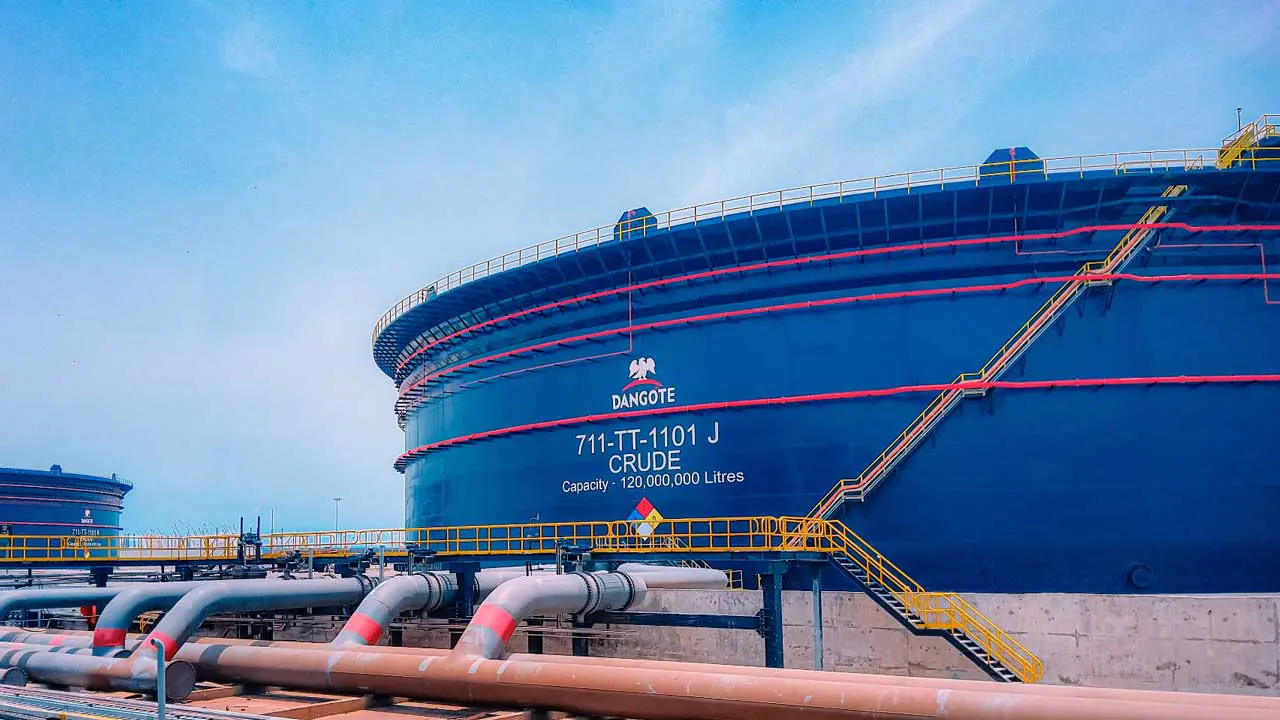
The Major Energies Marketers Association of Nigeria (MEMAN) has disclosed plans to engage in crucial discussions with Dangote Refinery and regulatory bodies over the nationwide distribution of Premium Motor Spirit (PMS), also known as petrol.
Clement Isong, Executive Secretary of MEMAN, made this known during a virtual webinar hosted by the association on Thursday. The announcement comes in the wake of Dangote Refinery’s declaration that it will begin nationwide supply of petrol and diesel from August 15, 2025.
The planned rollout by Dangote has stirred fresh concerns across the downstream oil sector, prompting major players like MEMAN to seek clarity on the strategy.
“At this point, we are watching the market, trying to understand it,” Isong said.
“And that requires a lot of discussion: discussion with Dangote himself, discussion with the authorities, and discussion with other stakeholders.”
Isong stated that MEMAN members are still reviewing Dangote Refinery’s forward integration plan, especially as it relates to pricing, logistics, and market control.
He, however, praised Dangote’s move to adopt compressed natural gas (CNG) trucks for the distribution of petroleum products across Nigeria, describing it as a commendable innovation that could reduce transportation costs and carbon emissions.
Meanwhile, the fuel market has already started reacting to global oil price shocks, especially amid rising geopolitical tensions between Israel and Iran. Both depot owners and Dangote have adjusted petrol prices upward to reflect the surge in crude oil rates.
As of Thursday, Empire Energy filling station in Abuja raised its pump price from N910 to N955 per litre, a significant jump that has left consumers frustrated and anxious over possible further hikes.
The evolving developments underscore the need for regulatory intervention, coordinated planning, and transparent stakeholder engagement as Nigeria’s downstream sector navigates what could become a defining shift in fuel supply and pricing.

