

|By Adejumo Adekunle
…Former CBN Deputy Governor urges policy shift to end crony capitalism
…Calls for state-driven prosperity like in Asia’s successful economies
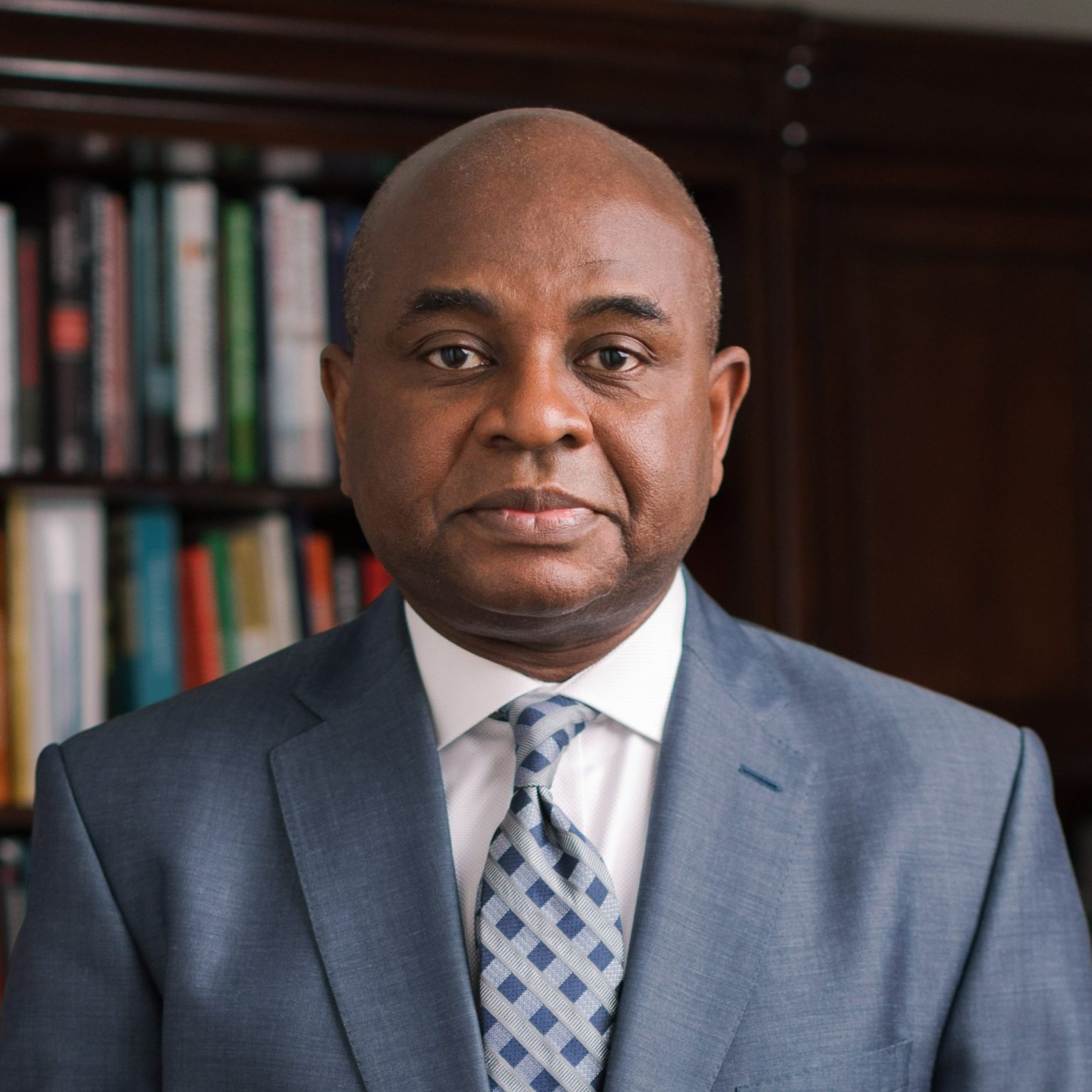
Former Deputy Governor of the Central Bank of Nigeria, Professor Kingsley Moghalu, has raised the alarm over growing wealth inequality in Africa, warning that the continent risks worsening poverty if governments fail to think strategically.
In a statement shared on his official X handle, Moghalu decried the continent’s tendency to celebrate billionaires while neglecting to build inclusive economic systems that empower everyday citizens. He revealed that just four African billionaires hold more wealth than 50% of Africa’s population combined.
“Our political leaders and citizens are busy celebrating the billionaires,” Moghalu wrote, “instead of designing policy environments that help ordinary Africans create sustainable livelihoods and wealth.”
While acknowledging that capitalism aligns with human nature and has outperformed communism, Moghalu stressed that free markets do not function in isolation. He argued that “efficient markets can’t exist without effective public and regulatory policy,” and dismissed the idea of a perfectly free market. Referencing Adam Smith’s theory of the “invisible hand,” he maintained that such economic forces require active and competent government intervention to work fairly.
The former presidential candidate cautioned that without deliberate and competent policymaking, African nations may drift into “crony capitalist societies,” where a handful of elites control wealth while the majority languish in poverty.
He pointed to countries like Japan, South Korea, Singapore, and Taiwan as examples where the state played a vital role in building and shaping markets to drive long-term national development.
“Nigeria has the potential to become the first example of a truly successful African capitalist country,” Moghalu asserted. “But this will only happen if a competent state creates opportunities and regulates markets properly.”
He concluded by reminding African governments that the foundational duty of any administration is “the welfare and security of citizens.”

