

|By Adejumo Adekunle
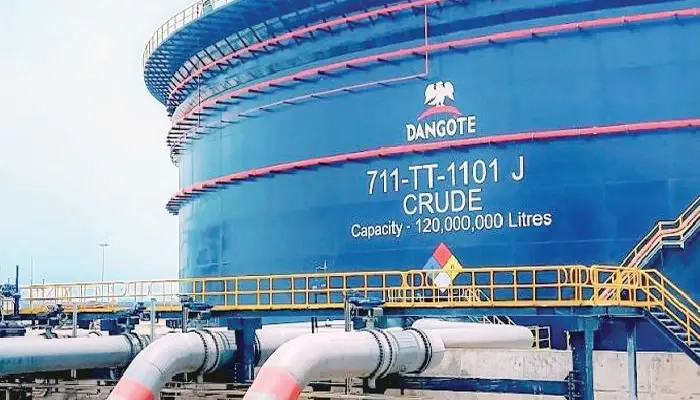
The Depot and Petroleum Products Marketers Association of Nigeria (DAPPMAN) has accused Dangote Refinery of misleading Nigerians with its recently announced fuel and diesel distribution plan, describing the scheme as a “scam.”
In a statement issued on Friday, the association reacted to the refinery’s announcement that it would commence nationwide distribution of petroleum products using 4,000 compressed natural gas trucks. The move has already triggered a face-off with the National Union of Petroleum and Natural Gas Workers (NUPENG), which alleged that Dangote intends to weaken the union and edge out other operators in the downstream sector.
DAPPMAN argued that the so-called “free delivery” claim is deceptive, stressing that marketers are compelled to lift at least 25 percent of their allocations directly from the refinery gantry, strictly with Dangote-owned trucks. According to the group, this arrangement forces marketers to pay commercial rates determined by distance, thereby inflating costs and restricting operational flexibility.
“The claim of free delivery is misleading. This model imposes extra financial and logistical burdens on marketers, while undermining the supposed cost relief Dangote claims to provide to the Nigerian market,” DAPPMAN stated.
The marketers’ body also accused the refinery of deliberately destabilizing the sector through price cuts timed to undercut other importers. It maintained that such reductions often coincide with periods when rival cargoes are at sea or in storage, creating shocks that cripple competition and strain market players.
DAPPMAN further alleged that the refinery prioritizes foreign buyers over local consumers, offering lower prices abroad while charging higher rates domestically. “This practice contradicts public claims of putting Nigerians first and imposes unnecessary strain on already struggling businesses,” the association said.
The controversy adds another layer to the refinery’s uneasy relationship with stakeholders in the downstream sector, raising questions about market dominance and fairness as Nigeria’s oil industry navigates a new era of local refining.

