

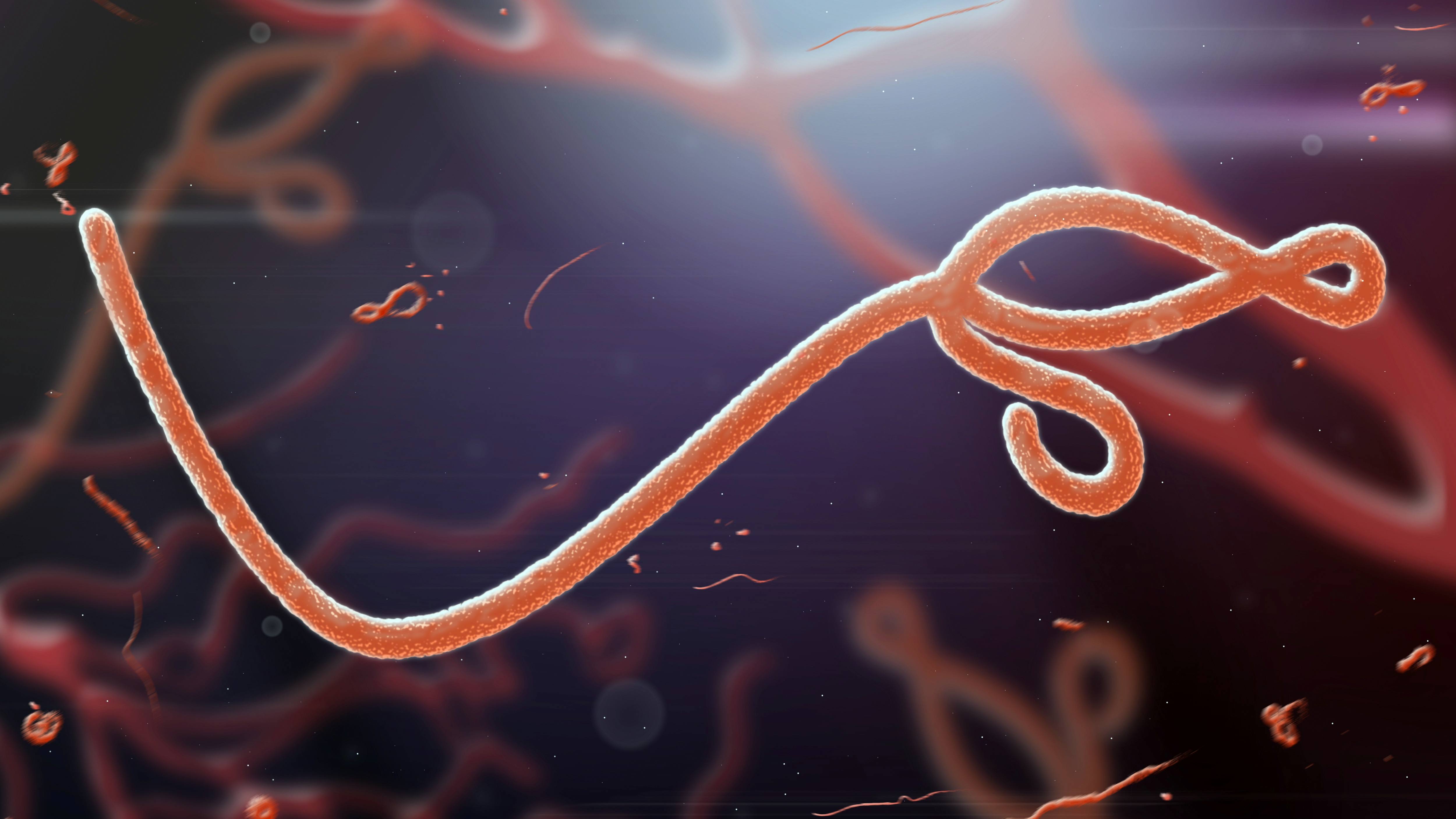
France has confirmed its first case of Ebola Virus Disease, according to an announcement made on Wednesday by the French Ministry of Health.
The confirmed case involves a doctor who recently returned from a humanitarian mission in the Democratic Republic of Congo (DRC), where health authorities are currently battling an outbreak of the deadly virus.
According to the ministry, medical officials quickly transferred the doctor to a specialised treatment facility immediately after the diagnosis. Authorities said the patient remains in a stable condition and is receiving appropriate medical care.
The development comes weeks after the Democratic Republic of Congo officially declared a new Ebola outbreak. Health experts believe the virus had already been spreading within affected communities for several weeks before the outbreak was formally announced.
Reports indicate that more than 260 people have died from the disease in the Central African nation, while over 1,000 infections have been recorded. The outbreak has raised concerns among international health authorities due to the virus’s high fatality rate and ability to spread through direct contact.
Ebola Virus Disease is a rare but severe illness caused by a group of viruses known as orthoebolaviruses. The disease can spread through contact with infected bodily fluids, contaminated surfaces or objects that have been exposed to the virus.
Common symptoms of Ebola Virus Disease include sudden fever, extreme weakness, muscle pain and, in severe cases, internal and external bleeding. The illness can also lead to organ failure and death if not treated promptly.
Health authorities in France are expected to continue monitoring the situation closely to prevent further transmission. The confirmed case highlights the importance of strong disease surveillance systems and rapid response measures in controlling the spread of infectious diseases.
As the Ebola outbreak in the Democratic Republic of Congo continues, global health agencies remain focused on containment efforts, treatment and preventing the virus from crossing borders through international travel.

