About Author


Lastest News Nigeria, Politics, Business, Sport, Interview
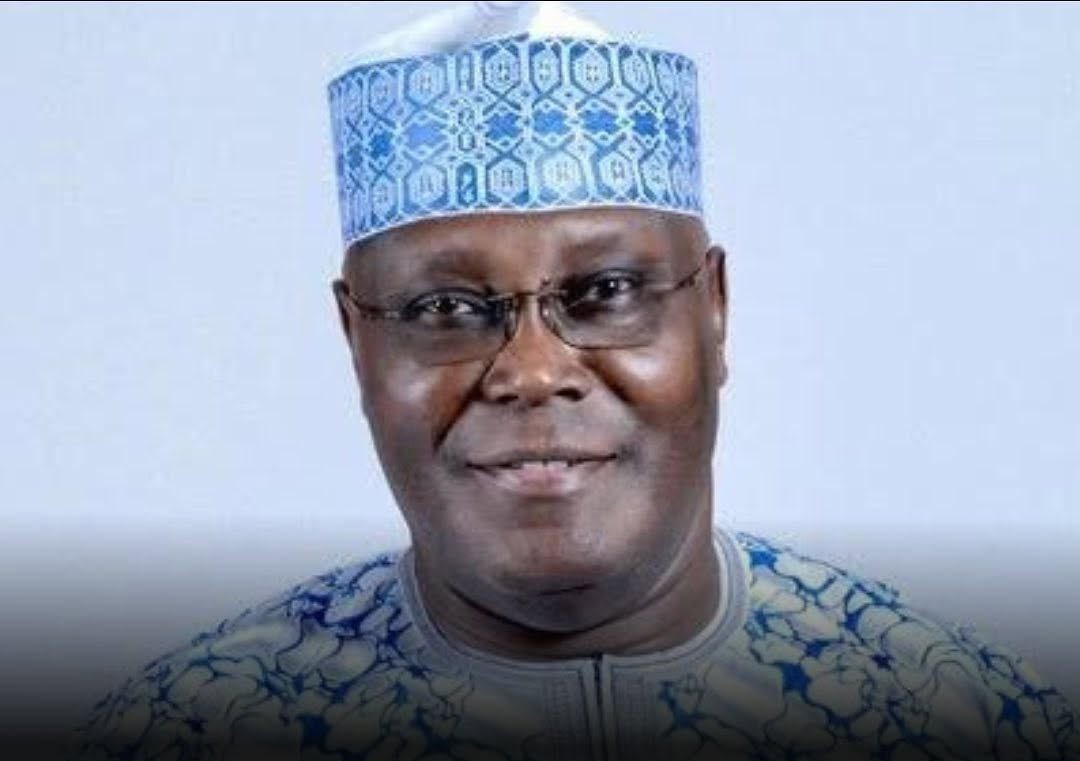
Former Vice President Atiku Abubakar has formally resigned from the Peoples Democratic Party (PDP), ending a decades-long affiliation with the platform that launched his national political career. In a letter dated July 14 and addressed to the PDP chairman in his Jada 1 Ward, Adamawa State, Atiku stated that the party’s current direction no longer aligns with its founding ideals.
“It is with a heavy heart that I resign, recognizing the irreconcilable differences that have emerged,” Atiku wrote, expressing gratitude for the opportunities the PDP provided him to serve and contest for the presidency.
Atiku, who served as Vice President from 1999 to 2007, has run for president six times under various parties — a testament to both his political durability and ambition. Although he returned to the PDP in 2017, his dissatisfaction with the party’s leadership, poor election strategy, and unresolved zoning issues after the 2023 elections grew steadily.
In 2024, Atiku began forming alliances beyond the PDP, positioning himself at the center of a new opposition coalition that champions electoral reform and internal democracy. While he has not formally joined the African Democratic Congress (ADC), his close association with the coalition signals a new political direction.
At 78, Atiku remains a significant force in Nigerian politics. His resignation from the PDP marks a turning point, potentially reshaping opposition dynamics ahead of the 2027 general elections.

