

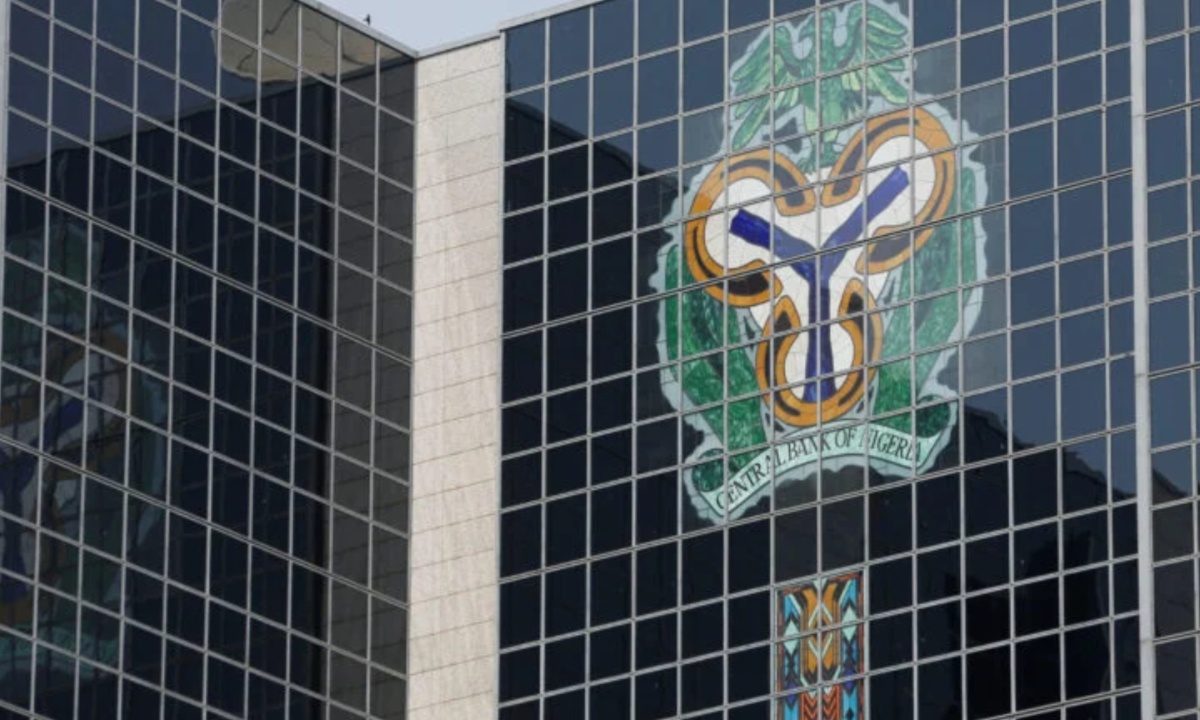
The CBN interest rate cut has reduced Nigeria’s monetary policy rate from 26.5 per cent to 23 per cent. Central Bank of Nigeria Governor Olayemi Cardoso announced the decision after the 307th Monetary Policy Committee meeting on Tuesday.
The decision marks a 3.5 percentage-point reduction in the benchmark interest rate. The CBN uses the rate to influence borrowing, lending and other financial activities across the economy.
Cardoso said the Monetary Policy Committee decided to “reset the monetary policy rate to 23 per cent”.
The committee’s decision could affect the cost of borrowing for businesses and individuals. However, the actual impact on bank lending rates will depend on how financial institutions respond.
The CBN interest rate cut also comes as the central bank works to strengthen Nigeria’s foreign exchange position.
Cardoso said the country’s foreign reserves had risen to $55 billion. Higher reserves can provide a stronger buffer for the economy and support the CBN’s efforts to manage foreign exchange pressures.
Meanwhile, the rate reduction is likely to attract attention from businesses, investors and consumers. Lower benchmark rates can reduce the cost of funds, although other factors also influence what borrowers eventually pay.
The MPC reviews monetary conditions regularly as it responds to inflation, exchange-rate pressures, economic growth and other financial indicators.
Therefore, the latest decision will be closely watched by banks and businesses as they assess its effect on credit and investment.
For consumers, the key question is whether the reduction will eventually translate into cheaper loans and improved access to credit.

