

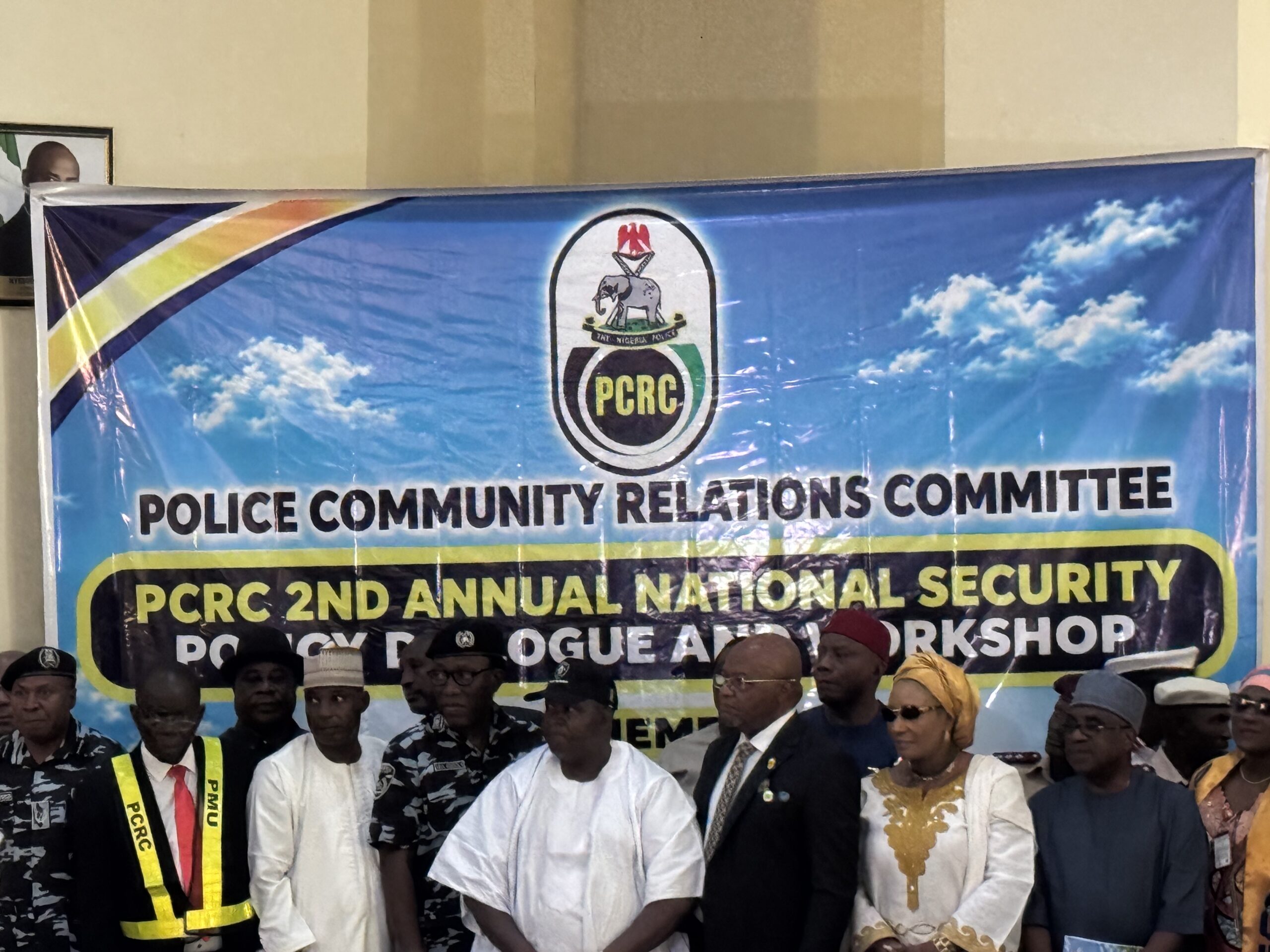
Stakeholders applaud State Police Bill, seek stronger community intelligence, security audits and inter-agency cooperation ahead of general elections
The Police Community Relations Committee (PCRC) and security experts have thrown their weight behind Nigeria’s emerging multi-layered policing framework, describing it as a necessary response to the country’s growing security challenges and complex federal structure.
They urged President Bola Tinubu to give speedy assent to the State Police Bill following its passage by the 36 State Houses of Assembly, saying decentralised policing, supported by effective coordination and community intelligence, could strengthen security operations across the country.
They also called on federal security and intelligence agencies to conduct comprehensive security audits to identify potential threats to the peaceful conduct of the 2027 general elections, while urging stronger collaboration among the police, other security agencies, state institutions and local communities.
The stakeholders made the call at the opening of the second annual National Security Policy Dialogue and Workshop organised by the PCRC Monitoring Unit at the Police Service Commission Auditorium, Jabi, Abuja.
The two-day engagement, holding from Friday, November 20, to Saturday, November 21, 2026, was themed, “Collective Security and Community Synergy: Understanding Nigeria’s Emerging Multi-Layered Policing Architecture and Preparing the Communities for the 2027 Elections.”
Participants noted that Nigeria’s multi-ethnic composition, large population and diverse security challenges make it imperative to develop a policing framework that accommodates local realities while maintaining effective coordination among security institutions.
They maintained that state policing, community policing and other regional security initiatives could complement the existing federal security structure, provided their responsibilities were clearly defined and their operations guided by the Constitution, accountability and respect for human rights.
In his opening address, the National Chairman of the PCRC, Alhaji Dr. Mogaji Ibraheem Olaniyan, said the organisation was established in 1984 on the conviction that effective policing could not be achieved without the understanding, cooperation and active participation of the community.
He said that for more than four decades, the PCRC had remained committed to strengthening the relationship between the Nigeria Police Force and the people through mutual trust, cooperation and shared responsibility for public safety.
According to him, Nigeria is navigating an evolving security environment characterised by multiple threats, changing criminal methods and increasing demands on security institutions.
He noted that the country’s democratic journey was also approaching another critical milestone with the 2027 general elections, making early preparation and collective action necessary to prevent violence and protect the electoral process.
Olaniyan stressed that elections should provide an opportunity for citizens to express their democratic choices peacefully and must not become periods of fear, intimidation, violence or destruction of relationships within communities.
He maintained that every Nigerian must be able to participate freely in the electoral process and that the wishes of the electorate must prevail without coercion or violence.
The PCRC chairman said security should not be regarded as the exclusive responsibility of the police or any single institution but a collective responsibility requiring intelligence sharing, trust, cooperation and active participation by citizens.
He urged community leaders, traditional institutions, political stakeholders, civil society organisations and residents to work closely with security agencies to identify potential threats before they escalate into serious incidents.
Also speaking, a security expert, Assistant Inspector-General of Police (rtd), Austin Iwa, described community resilience and vigilance as essential ingredients of collective security.
He recalled that Section 14 of the Nigerian Constitution identifies the security and welfare of the people as the primary purpose of government.
Iwa observed that communities across the country were confronted with different security threats, noting that the nature and intensity of these challenges varied from one locality to another.
He lamented that several police divisions lacked effective response mechanisms for handling security incidents and distress calls, stressing that a comprehensive assessment of security threats was critical to developing appropriate responses.
He therefore advocated a thorough security audit to identify the peculiar challenges confronting different communities and determine the capacity of security institutions to respond effectively.
Other keynote speakers, including senior police officers, equally emphasised the need for stronger synergy between the police, sister security agencies and communities to protect lives and property.
On the 2027 general elections, they urged the police to protect the ballot, identify individuals and groups likely to instigate electoral violence and strengthen preventive intelligence to ensure free, fair and credible elections.
The speakers also stressed that political actors must embrace peaceful competition, while security agencies must remain professional, impartial and committed to protecting the rights of citizens throughout the electoral process.
Among the personalities recognised at the opening session was Professor Ike Oke Ikechukwu, who served as chairman of the occasion.
The programme also featured representatives of senior police leadership, including CP Administration Chief Adeyola, representing the Deputy Inspector-General of Police in charge of Training and Development, DIG Isyaku Mohammed, and ACP Sani, representing the Deputy Inspector-General of Police in charge of Research and Planning, DIG Zango Ibrahim Baba.
Their participation reflected the involvement of different police departments in discussions on institutional development, professional policing, research, planning and the changing security environment.
Other security agencies, professional organisations, civil society groups, community representatives and corporate partners were also represented at the gathering.
The dialogue further examined the opportunities and challenges associated with Nigeria’s emerging multi-layered security architecture, particularly the need to prevent overlapping responsibilities, institutional rivalry and possible abuses arising from poorly regulated community-based security arrangements.
Participants maintained that while local intelligence and grassroots participation could significantly improve crime prevention, clear operational guidelines, effective supervision and respect for established legal responsibilities were necessary to prevent conflicts among security structures.
For the PCRC, the 2027 elections present an opportunity to demonstrate the practical value of sustained police-community relations.
The committee believes that citizens who trust security agencies are more likely to provide useful information, cooperate with authorities and support efforts to prevent criminal activities.
However, it stressed that public confidence must be sustained through professionalism, accountability, respect for human rights and the willingness of security institutions to listen to the communities they serve.
As the dialogue continues on Saturday, November 21, stakeholders are expected to develop practical recommendations and a proposed community security policy declaration to strengthen cooperation among security institutions, improve intelligence sharing, promote responsible citizenship and support peaceful communities ahead of the 2027 general elections.
The central message of the engagement remains that Nigeria’s security challenges require a coordinated response that combines institutional capacity, community intelligence, effective policing and responsible citizenship.
The stakeholders maintained that stronger police-community partnerships, supported by clear responsibilities and cooperation across all levels of government, are essential to building a safer and more secure Nigeria.

