

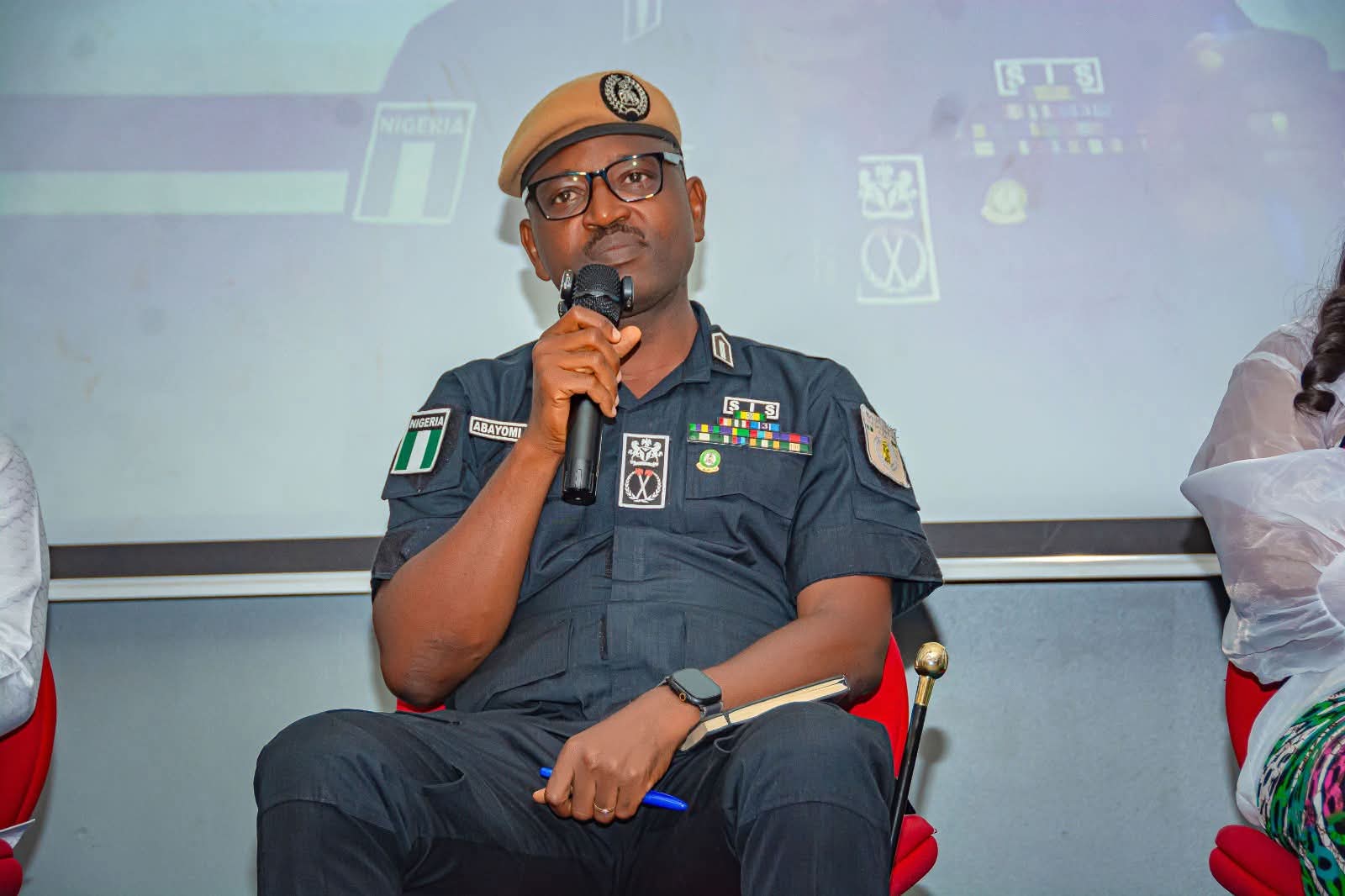
The Nigeria Police Force says it will use predictive and risk analysis to identify potential trouble spots and deploy officers to secure 176,846 polling units during the 2027 general elections.
Dr Abayomi Shogunle, Commissioner of Police for Election Planning, Monitoring and Evaluation at Force Headquarters, Abuja, disclosed this at the 2026 annual conference of the Guild of Corporate Publishers (GOCOP) in Lagos.
The conference ended on Thursday, October 8, 2026. It focused on the theme, “2027 Elections: Trust, Transparency and Shared Responsibilities”.
Shogunle said the police had started preparations for the elections. He also assured Nigerians that the force would deploy enough personnel to manage security across the polling units.
He explained that the police would use risk analysis to identify areas where violence or other disruptions might occur. The assessment would guide decisions on where to deploy officers.
The panel session also featured Professor Tayo Popoola, Head of the Department of Mass Communication at the University of Lagos; Dr Adaora Onyechere Sydney-Jack, Creative Director of Gender Agenda and founder of WEWE Network Afrique; and Lanre Arogundade, Executive Director of the International Press Institute.
Publisher of Political Economist, Ken Ugbechue, moderated the discussion.
The panel examined the keynote address by the Chairman of the Independent National Electoral Commission (INEC), Professor Joash Amupitan. Lagos State Resident Electoral Commissioner, Professor Ayobami Salami, represented him at the conference.
The discussion focused on trust, transparency and shared responsibilities ahead of the 2027 elections.
The police strategy centres on using risk assessments to guide security deployment across the country’s 176,846 polling units. However, Shogunle did not provide further details on the specific indicators the force would use to identify high-risk locations.
The police have yet to disclose a detailed deployment timetable for the election period.
The 2027 general elections will require coordination between security agencies, INEC, political parties and other stakeholders to manage voting and maintain order across the country.

