

Senate Committee Moves to Tackle Colonial Injustices, Repatriate Looted Artefacts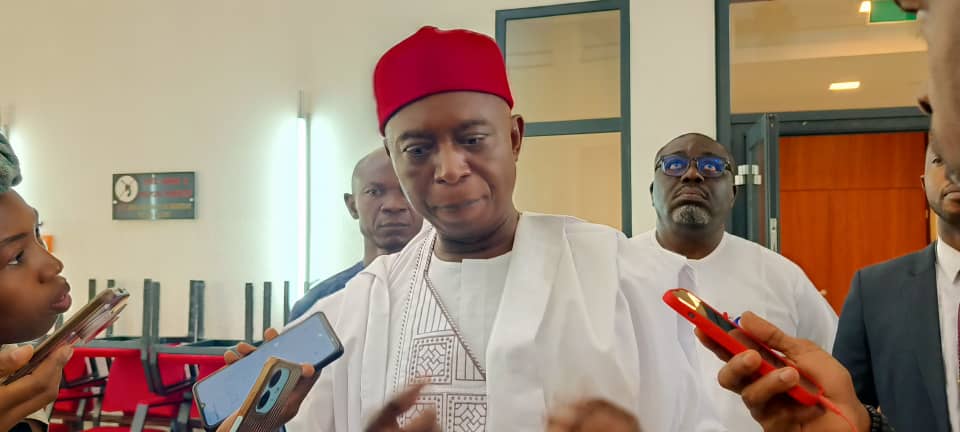
By Rejoice Peterside
The Senate Committee on Reparations and Repatriations, chaired by Senator Ned Munir Nwoko, has reaffirmed its commitment to confronting the enduring legacies of slavery, colonialism, and systemic injustices in Nigeria and across the African continent.
At a stakeholders’ meeting held in Abuja, the committee outlined its mission to pursue restorative justice, including the repatriation of cultural artefacts looted during colonial conquests, the redress of environmental and human rights violations, and broader efforts to empower historically marginalized communities.
Senator Nwoko emphasized that the committee’s work is “not symbolic or ceremonial,” but a rigorous, evidence-based initiative to secure justice for historical wrongs. “We are empowered to investigate local and international injustices, past and ongoing, and make concrete recommendations for compensation and redress,” he said.
The committee will examine a wide range of abuses, including the Niger Delta oil degradation, extrajudicial killings, lead poisoning in Zamfara, and forced evictions such as the Daki Biyu demolitions.
However, Nwoko clarified that the committee would not interfere in matters currently under judicial consideration unless litigants voluntarily withdraw such cases.
To support its work, the committee has appointed development strategist and cultural advocate Chukwuebuka Anyaduba as a consultant. Anyaduba will lead strategy, stakeholder engagement, and communications, with a focus on promoting global awareness and strengthening Nigeria’s claims for the return of looted artefacts.
Also speaking at the event, representatives from the Ministry of Foreign Affairs and the National Agency for the Prohibition of Trafficking in Persons (NAPTIP) stressed the need for a multi-stakeholder approach. The Minister of Foreign Affairs described the meeting as timely, aligning with African Union priorities and ongoing global discussions on historical justice and inclusive development.
NAPTIP officials raised the issue of victims of human trafficking, urging the committee to incorporate contemporary injustices into its reparatory agenda. With over 4,300 recorded cases of trafficking in Abuja and Kano alone in the past six months, NAPTIP called for improved support for victims many of whom return traumatized and advocated for their right to compensation and dignified reintegration.
The agency also proposed that proceeds from confiscated assets of traffickers be channelled toward rehabilitating survivors, and suggested sustained collaboration with the committee to explore extradition, redress, and institutional accountability.
The session ended with a strong call for unity from stakeholders, including senators, civil society, religious leaders, diaspora representatives, and legal experts, to shape an “African-common position” on reparations and push for a coordinated international response.
The sitting was adjourned to Tuesday, July 1, 2025, with the committee expected to continue deliberations and review audit-related petitions as part of its expanding mandate.
This initiative positions Nigeria at the forefront of Africa’s reparatory justice movement, echoing similar actions by countries such as Germany and the Netherlands, which have recently returned stolen artefacts. The Senate Committee aims to not only recover Nigeria’s cultural treasures but also lay the groundwork for legal, moral, and developmental restitution.

