

|By Chinwendu Nwani
The Senate has moved to tighten emergency healthcare delivery across Nigeria following rising cases of snakebites, directing governments at all levels to ensure hospitals maintain minimum stocks of anti-venom and other life-saving antidotes, particularly in high-risk and snake-prone areas.
The upper chamber specifically urged the Federal Ministry of Health and Social Welfare to develop and strictly enforce national guidelines mandating minimum stock levels of essential antidotes and emergency medicines in designated public and private hospitals nationwide.
It also resolved that health regulatory authorities should make the availability of essential antidotes a compulsory condition for the licensing, registration and renewal of accreditation of private hospitals.
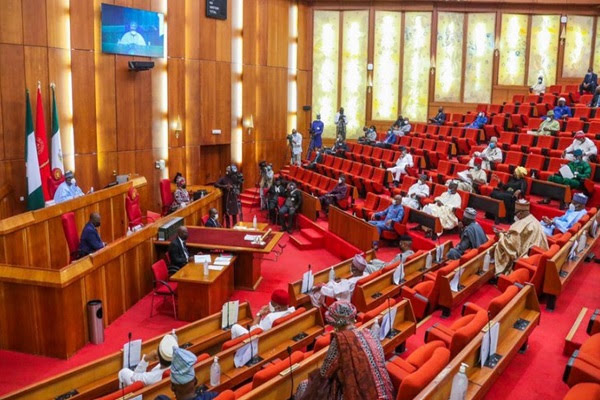
The resolutions followed the adoption of a motion sponsored by Senator Idiat Adebule (APC, Lagos West), raised under a Point of Order on an urgent matter of national importance during plenary. The motion drew attention to the death of a 26-year-old singer, Ifunanya Nwangene, popularly known as Nanya, who reportedly died from a snakebite last Saturday in Abuja.
According to the motion, the late singer reportedly sought emergency care at two hospitals in the Federal Capital Territory but was left untreated due to the alleged absence of anti-venom at both facilities.
While presenting the motion, Senator Adebule stressed the urgent need for federal and state governments to guarantee the adequate stocking, availability and accessibility of life-saving antidotes and emergency medicines across the country. She noted that Nigeria continues to record a surge in medical emergencies such as snakebites, scorpion stings, poisoning, drug overdoses and other forms of envenomation.
Contributing to the debate, Senator Sunday Karimi (APC, Kogi West) called for special attention to states with high incidences of snakebites, warning that many hospitals remain dangerously unprepared.
“In many parts of the country, snakebites are a common occurrence, yet our hospitals are grossly unprepared. This resolution is about saving lives and enforcing accountability,” Karimi said.
Senator Anthony Ani (APC, Ebonyi South) pushed for stricter enforcement, insisting that compliance with minimum medical stock requirements must be tied directly to hospital licensing.
“We must go beyond resolutions. Hospitals that cannot meet basic emergency care standards should not be allowed to operate,” Ani stated.
Similarly, Senator Titus Zam (APC, Benue North-West) highlighted the disproportionate impact on rural communities, noting that poor and remote populations suffer most from weak healthcare systems.
“The poor and those in remote communities bear the brunt of these failures. Ensuring access to anti-venom is a matter of social justice,” Zam said.
Beyond enforcement, the Senate also called on health regulatory authorities to ensure adequate budgetary provisions and efficient supply chains for public hospitals. It further directed the Federal Ministry of Information and the National Orientation Agency (NOA) to launch nationwide public sensitisation campaigns on the importance of seeking prompt hospital care after snakebites, poisoning and other forms of envenomation, warning against the dangers of delayed treatment.
In his remarks, Senate President Godswill Akpabio expressed condolences to the family of the deceased and Nigerians at large, describing the incident as tragic and unacceptable.
“This is a loss that should never have happened. As a nation, we must do better to protect the lives of our citizens,” Akpabio said.

