

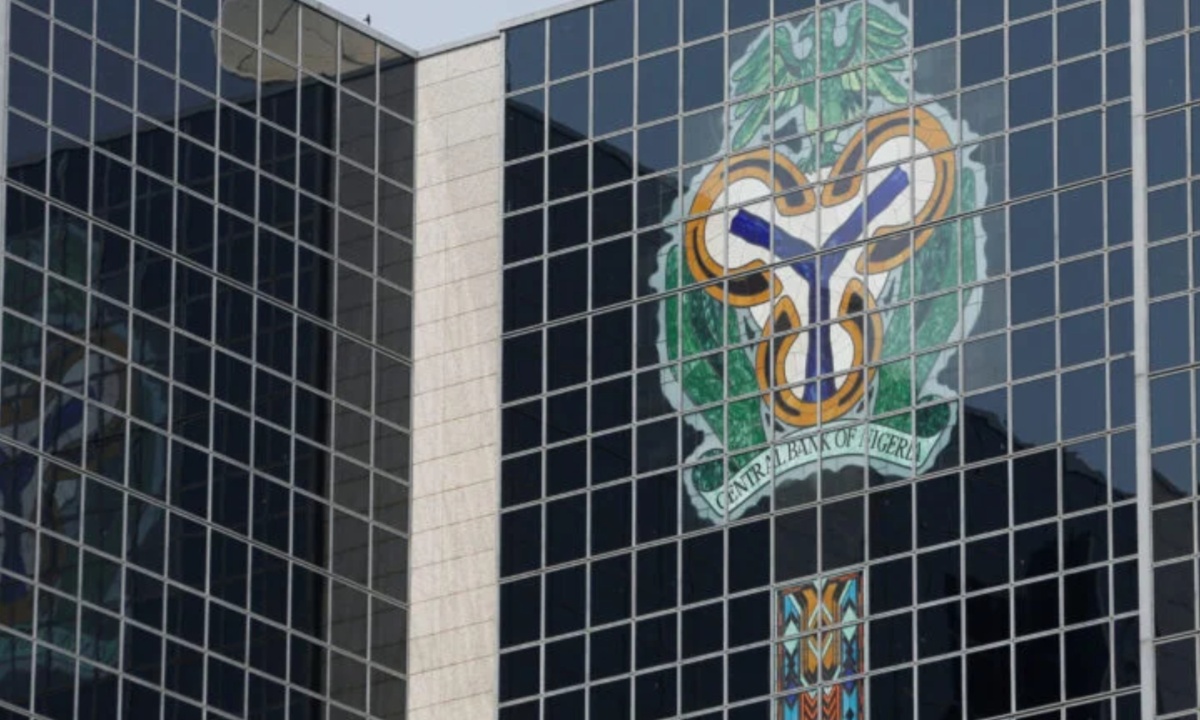
The Central Bank of Nigeria (CBN) is expected to retain its benchmark interest rate at 23 per cent as concerns over pressure on the naira and foreign exchange stability continue to influence monetary policy decisions.
Financial experts believe the Monetary Policy Committee (MPC) may maintain the current rate at the end of its 308th meeting, which began on Monday. They argue that the committee needs more time to assess the impact of its September rate cut before considering further reductions.
Nigeria’s headline inflation fell to 14.06 per cent in October, compared with 15.39 per cent in August. However, analysts warn that the decline does not mean price pressures have completely eased.
At its September meeting, the MPC reduced the Monetary Policy Rate (MPR) by 350 basis points, from 26.5 per cent to 23 per cent. It also adjusted the standing facilities corridor while retaining the cash reserve requirements for commercial and merchant banks.
Professor Uche Uwaleke, President of the Capital Market Academics of Nigeria, said the committee would likely retain its key policy rates to evaluate the effects of the September decision.
He acknowledged that falling inflation and lower money market rates supported another reduction but warned that renewed foreign exchange pressure could weaken its benefits.
Uwaleke noted that Nigeria’s Overnight Financing Rate had fallen from 22 per cent to 20 per cent. However, gross external reserves also declined from $55.25 billion to $54.6 billion.
He warned that political uncertainties ahead of the 2027 general elections could increase demand for foreign currency, putting further pressure on the naira.
“Against this backdrop, another reduction in the MPR may be premature,” he said.
A similar position came from Proshare Research, which argued that the CBN should assess how September’s rate cut had affected the economy before making further changes.
The research firm said October’s inflation decline was partly driven by base effects. Monthly inflation rose to 0.43 per cent from 0.06 per cent in September, while food inflation remained high at 19.13 per cent.
Proshare also reported that the official exchange rate had weakened to about N1,360 per dollar, while the gap between the official and parallel markets widened to approximately N85.
The firm identified a 50-basis-point reduction as a possible alternative but maintained that holding rates was more likely.
Global monetary developments could also influence the decision. The US Federal Reserve retained its benchmark rate at 3.75 to 4.00 per cent in October, while the Bank of England raised its rate to 4.00 per cent in November. The European Central Bank maintained its deposit rate at 2.50 per cent.
Meanwhile, accounting and finance academic Posi Olatubosun urged the MPC to retain the 23 per cent rate, warning that another reduction could threaten inflation control.
He argued that persistent food prices, pressure on the naira and expected election-related spending could undermine price stability.
Olatubosun recommended clear guidance on future rate cuts and a gradual reduction in the 45 per cent cash reserve requirement, linked to verified lending to manufacturing, agriculture and small businesses.
He said this approach could improve access to credit and support economic growth without weakening efforts to control inflation.
Do you think retaining the 23 per cent interest rate will help stabilise the naira and bring lasting relief from rising prices?

