

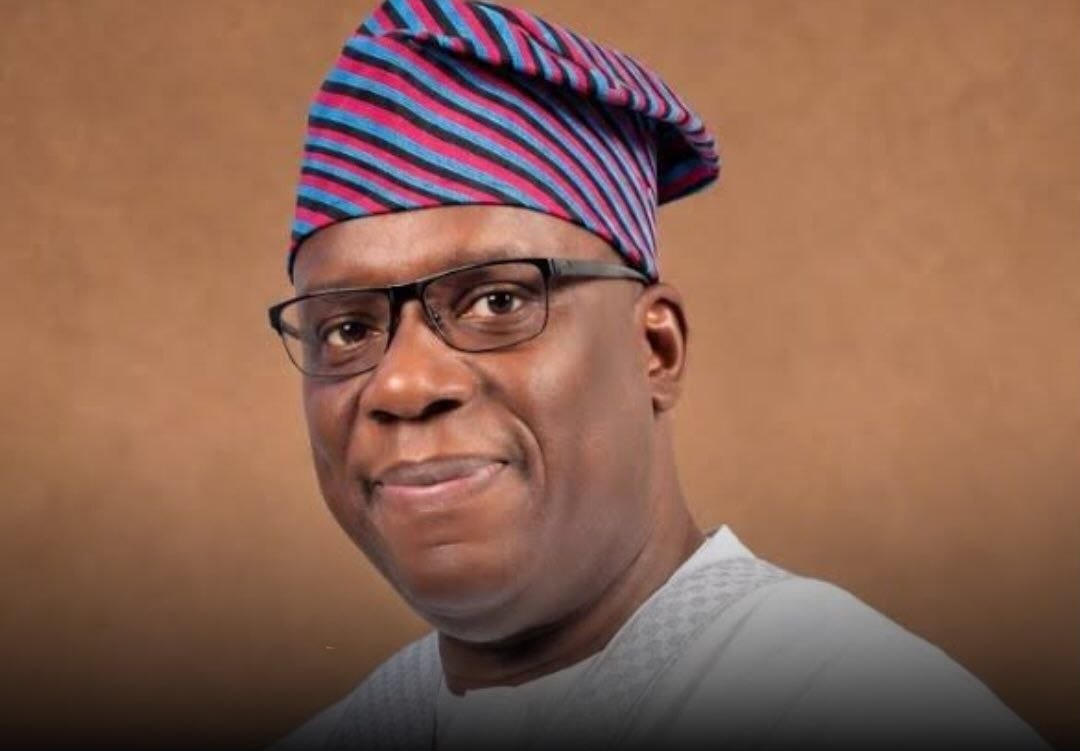
The All Progressives Congress (APC) spokesperson, Felix Morka, has defended President Bola Tinubu against criticism over rising poverty and hunger in Nigeria, arguing that poverty existed long before the current administration and remains a challenge in many countries.
Speaking on ARISE TV’s Right of Reply programme on Tuesday, Morka said successive Nigerian governments had failed to eliminate poverty. He rejected accusations that Tinubu was shifting responsibility by referring to the failures of previous administrations.
“Poverty is something that is, you know, a feature of many societies around the globe. Poverty has been with us for a very long time,” he said.
Morka specifically referred to former President Olusegun Obasanjo and former Vice-President Atiku Abubakar, arguing that they had spent a combined eight years in government without eradicating poverty.
“Now, between the two of them, they had eight years to eradicate poverty, assuming that poverty was that easy to snap your finger and eradicate. Now, let me quickly say that, you know, they didn’t eradicate poverty,” he said.
The APC spokesperson maintained that previous administrations had also failed to wipe out poverty, adding that the problem could not be solved through political promises or declarations alone.
He also criticised Atiku for questioning why Tinubu’s administration referred to past governments when addressing current economic challenges.
“So it is only people who simply want to, you know, evade responsibility, like Atiku Abubakar, who will in fact say, you know, why are you referring to the past? Talk about the present,” Morka stated.
Morka further argued that Tinubu had never promised to eradicate poverty within his first 100 days or within a specific number of years in office.
“The president never told you that in the first month or 100 days of my government, or in the first two years or three years, I’m gonna eradicate poverty,” he said.
He also pointed to the constitutional provision allowing elected presidents to seek a second term, arguing that the period gives leaders time to understand national challenges, implement policies and seek voters’ approval to continue their programmes.
His comments come amid ongoing public debate over Nigeria’s rising cost of living, hunger and the government’s responsibility to improve citizens’ economic conditions.

