

|By Chinwendu Nwani
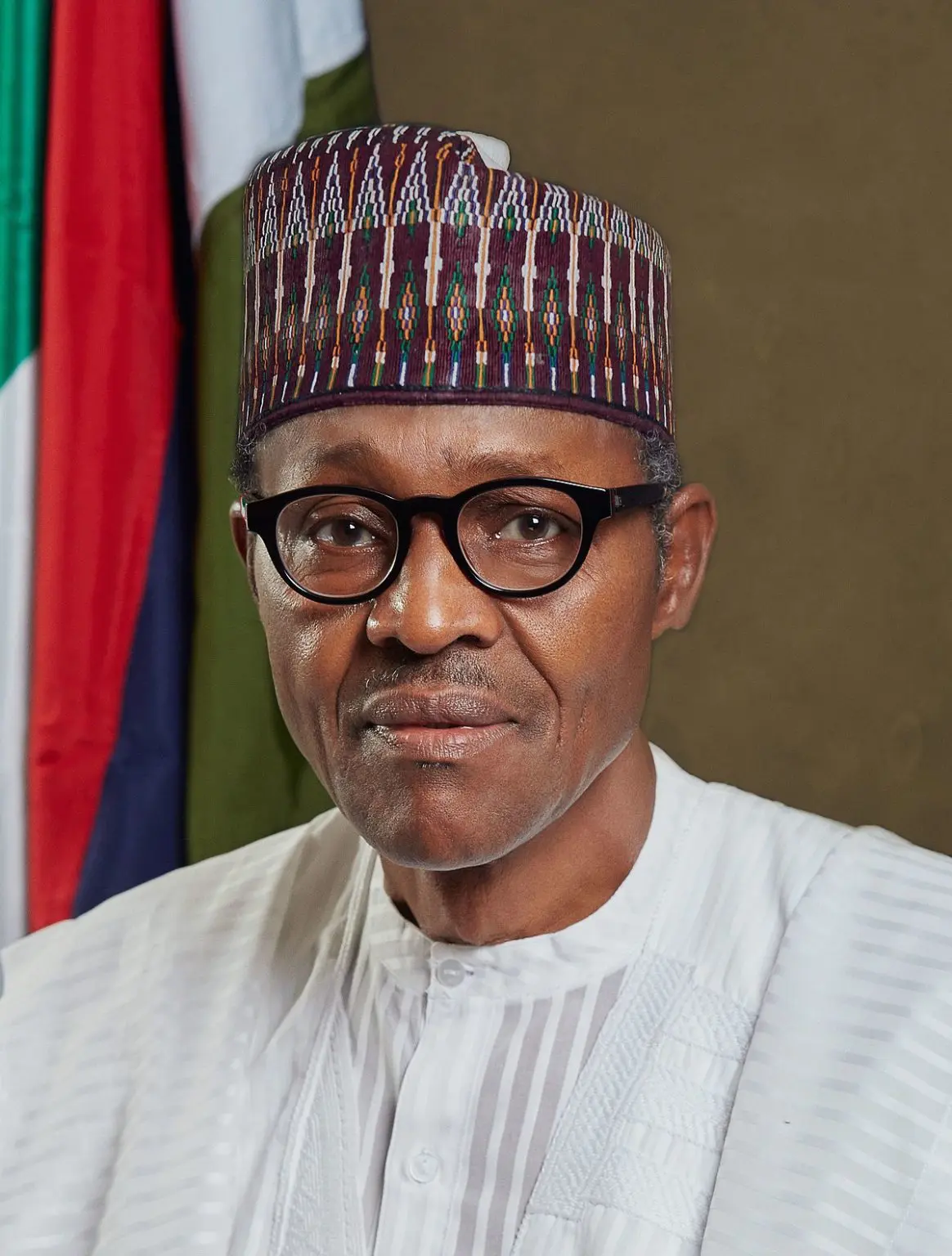
A newly released biography on former President Muhammadu Buhari has disclosed that he deliberately refused to publicly endorse a preferred successor ahead of the 2022 All Progressives Congress (APC) presidential primary, citing security threats and the need to preserve party unity.
The revelation is contained in From Soldier to Statesman: The Legacy of Muhammadu Buhari, a 600-page biography authored by Dr. Charles Omole, Director General of the Institute for Police and Security Policy Research (IPSPR). The book was unveiled on Monday in Abuja.
Speaking at the presentation, former Director General of the Department of State Services (DSS), Yusuf Bichi, said Buhari’s silence during the heated succession process was a calculated security decision, not political indifference.
Bichi explained that intelligence reports at the time warned that openly backing an aspirant could have endangered lives and deepened factional crises within the ruling party.
According to him, Buhari deliberately absorbed public criticism to shield potential candidates and stabilise the APC during a volatile period.
“In those months, knives were out; politically and, as security professionals know too well, sometimes literally,” Bichi said.
He noted that naming a preferred candidate would have effectively placed a target on the individual and undermined an already fragile internal process. Buhari, he added, chose restraint to prevent violence and contain internal divisions that could have destabilised both the party and the country.
Bichi also shed light on Buhari’s refusal to reverse the removal of former DSS Director General, Lawal Daura, by then Acting President, Prof. Yemi Osinbajo, while Buhari was on medical leave abroad.
He said Buhari believed overturning the decision would weaken institutional authority and undermine the constitutional powers of the acting president.
“Having lawfully delegated authority to his Vice President, Buhari considered any attempt to countermand that decision as injurious to institutional stability,” Bichi said, adding that Buhari viewed any reversal as a breach of the chain of command.
The former DSS chief further disclosed that Buhari resisted political pressure and consistently refused to personalise governance, even when close allies were affected.
He described Buhari as a disciplined leader who prioritised evidence, professionalism and restraint over political theatrics, noting that the former president routinely challenged security briefings by asking, “Where is your proof?”
According to Bichi, this approach strengthened accountability within security agencies and reinforced Buhari’s belief that public office is a trust rather than a personal privilege.
The book presentation, held at the Presidential Villa, drew high-profile attendance, including President Bola Tinubu, Gambian President Adama Barrow, governors, ministers, diplomats, traditional rulers and members of Buhari’s family.

