

By Babatunji Wusu
The Presidency has explained why President Bola Tinubu has refused to restore the fuel subsidy, stating that the previous system mainly benefited fraudulent individuals rather than ordinary Nigerians.
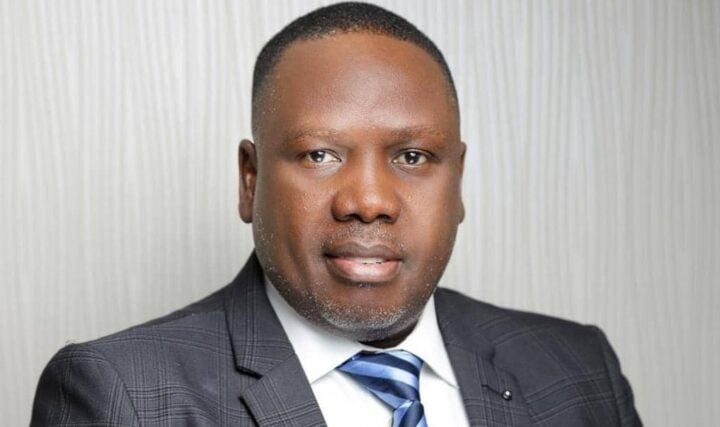
Special Adviser to the President on Policy Communications, Daniel Bwala, made the remarks during an interview on Channels Television’s Politics Today programme. According to him, the government believes the old fuel subsidy regime encouraged corruption within the petroleum sector.
“The reason President Tinubu has refused to return the subsidy on fuel is that historically the beneficiaries of this subsidy are not the Nigerian people. It is fraud people in that industry,” Bwala said.
He explained that the administration is not completely against subsidies but prefers targeted support in sectors that directly affect citizens. He pointed to government interventions in healthcare and agriculture as examples.
“The concept of subsidy itself is not anathema to this government. That’s why you see that we have subsidized on dialysis 50%. We have subsidized in areas of agricultural element, things that affect our people,” he added.
Bwala also stated that state governors have benefited from increased government revenues following the removal of the fuel subsidy. According to him, the policy has improved financial allocations across the country.
Speaking further, he described President Tinubu’s leadership approach as flexible rather than rigid. He suggested the administration remains open to reviewing policies when necessary.
“President Bola Tinubu’s style of leadership is not rigid. It’s flexible. That’s why, even with borrowing, he said it is not leprosy. If there is a demand for subsidy, President Tinubu will do that for now,” he said.
The issue of fuel subsidy removal continues to generate debate across Nigeria due to its effect on transport costs, inflation, and the overall cost of living.
Do you think removing fuel subsidy has improved Nigeria’s economy or worsened living conditions?

