

By Babatunji Wusu
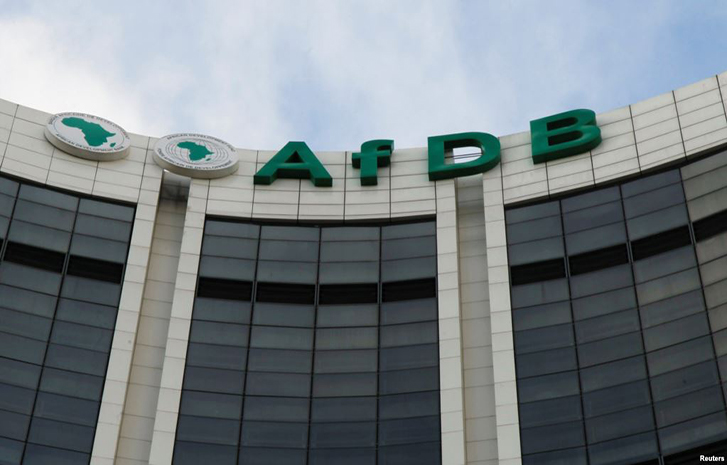
The African Development Bank (AfDB) has urged African countries, including Nigeria, to ensure that borrowed funds are invested in projects that deliver economic value, drive growth and improve the welfare of citizens.
Speaking in Abuja on Tuesday, Prof. Kevin Urama, AfDB’s Chief Economist and Vice President for Economic Governance and Knowledge Management, said the sustainability of debt depends less on the amount borrowed and more on how the funds are used.
Discussing the challenges of debt sustainability across Africa, Urama explained that governments should pay close attention to the source of loans, their conditions and the purpose for which the funds are obtained. He stated that sustainable borrowing occurs when countries channel resources into productive sectors that expand economic activity, create employment opportunities and strengthen infrastructure.
The AfDB economist warned that borrowing without investing in productive ventures could weaken economic performance over time. He noted that findings from the African Economic Outlook revealed that nations with high debt-to-GDP ratios often face declining debt productivity, which can negatively affect both labour and capital productivity.
Urama also cautioned governments against financing long-term infrastructure projects with expensive short-term commercial loans. According to him, such funding arrangements can increase refinancing pressures and expose countries to greater fiscal risks.
To improve debt sustainability, he called on African leaders to ensure that citizens experience visible benefits from borrowed funds through better infrastructure and enhanced public services. He stressed that governments must prioritise investments that generate measurable economic returns.
The AfDB official further advocated stronger backing for African-led financial initiatives, including the African Financing Stability Mechanism, which seeks to help countries tackle debt refinancing challenges. He added that deeper regional cooperation and home-grown financial solutions would help African economies reduce exposure to external shocks and global financial market volatility while supporting long-term debt sustainability and economic resilience.

