

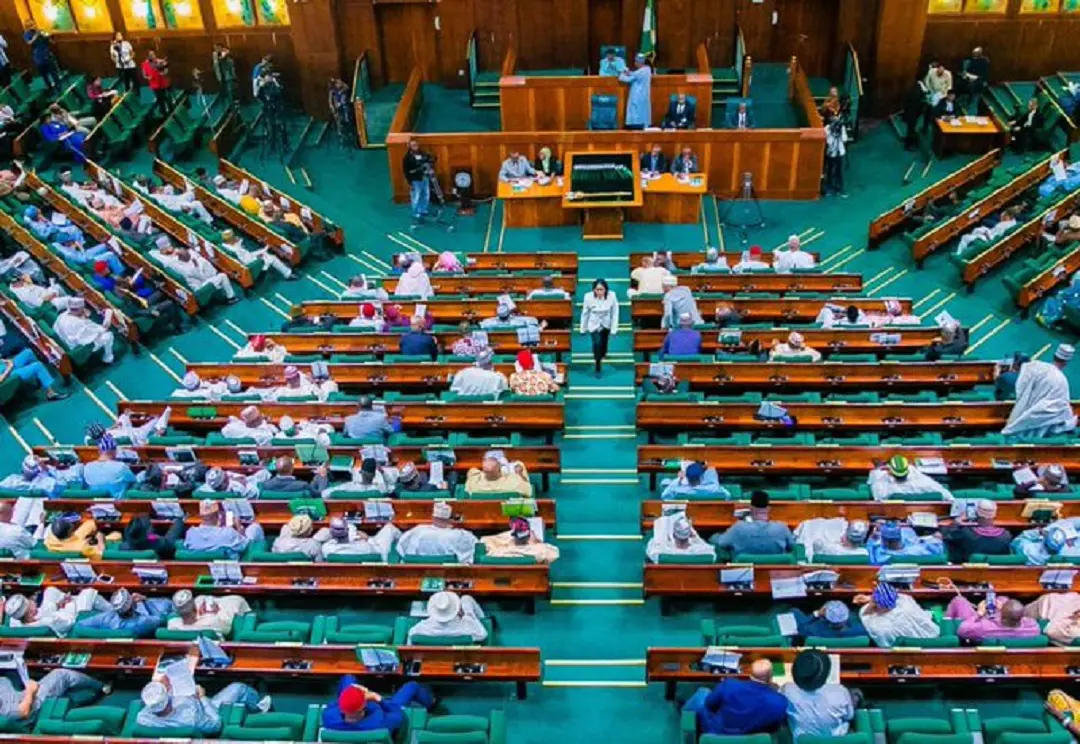
The House of Representatives has launched fresh efforts to reform Nigeria’s downstream petroleum sector and investigate alleged fuel import licence irregularities.
During an interactive session with stakeholders, including IPMAN, DAPPMAN and MEMAN, lawmakers outlined plans to address long-standing concerns affecting the downstream petroleum sector. The meeting forms part of the National Assembly’s ongoing review of the Petroleum Industry Act (PIA) to strengthen local refining, improve energy security and encourage fair competition.
Chairman of the House Committee on Petroleum Resources (Downstream), Ikenga Ugochinyere, said the committee would invite the NMDPRA, NUPRC, NPA, CBN, refinery operators and other relevant agencies to respond to issues raised by stakeholders. He also criticised the continued collection of US dollar-denominated charges on petroleum products refined and transported within Nigeria, saying the practice increases the pump price of Premium Motor Spirit (PMS) and places unnecessary pressure on the economy.
The committee also pledged to investigate claims that the same marketers received fuel import licences for the first three quarters of 2026. Ugochinyere said lawmakers would seek explanations from the NMDPRA on the criteria used for issuing the licences while working towards a balanced framework that supports local refineries, protects marketers’ investments and guarantees national energy security.
In its presentation, DAPPMAN disclosed that 72 of Nigeria’s 154 licensed petroleum depots had little or no commercial activity over the past year. The association blamed the situation on an uneven operating environment, repeated allocation of import permits to the same marketers and growing dependence on a single supplier of PMS. It also urged the government to stop foreign currency billing for domestic transactions and improve petroleum logistics.
IPMAN called for the establishment of a Petroleum Bank to provide operators with single-digit interest loans, arguing that high borrowing costs continue to raise fuel prices. The association also encouraged greater investment in local refining and equitable access to locally refined petroleum products to strengthen the downstream petroleum sector.
Do you think greater transparency in fuel import licence allocation will create a more competitive downstream petroleum sector?

