

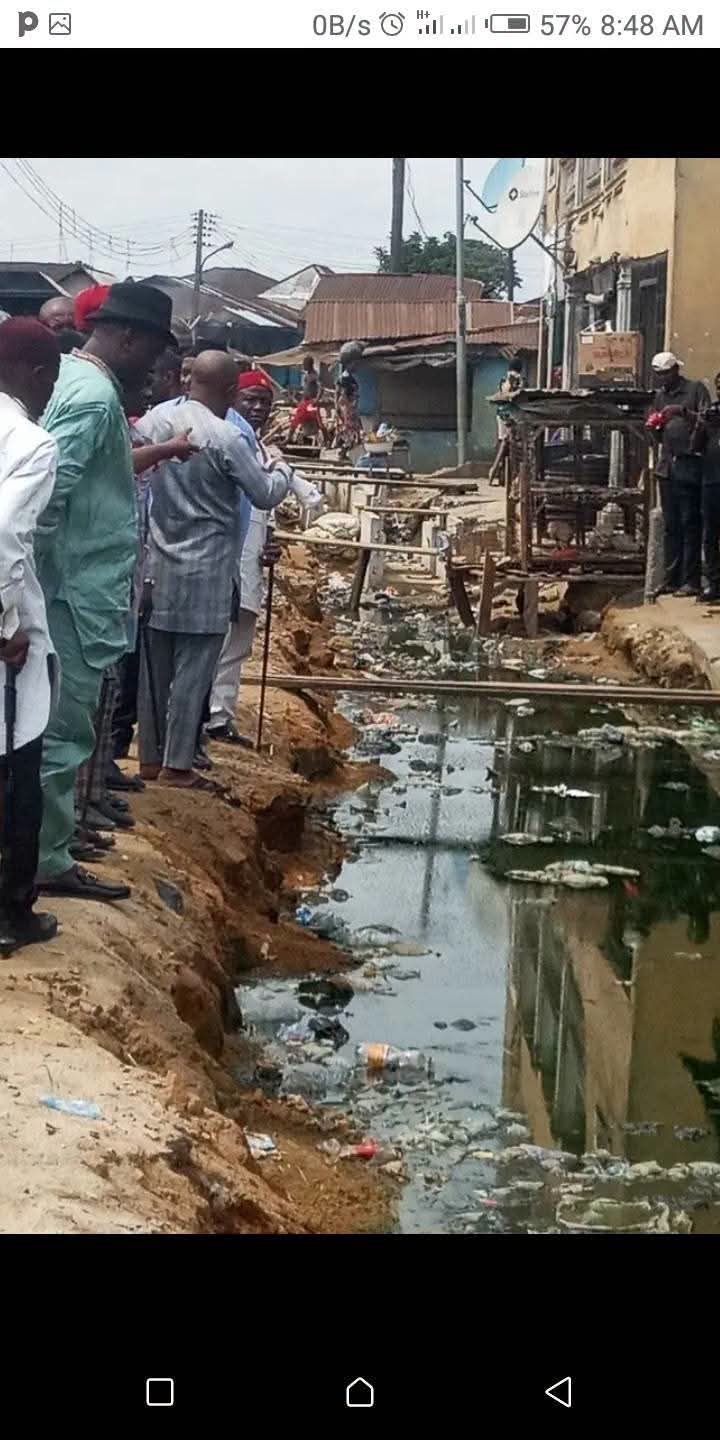
Ahoada infrastructure crisis continues to disrupt daily life in Rivers State as residents battle failing roads, a collapsed bridge and blocked drainage systems. The Ahoada infrastructure crisis has left thousands of people struggling to move around the regional headquarters, while students and traders face growing hardship.
Residents say years of neglect have reduced Ahoada, the administrative headquarters of the Orashi Region, to a town with broken infrastructure. The region covers Ahoada East, Ahoada West, Abua/Odual and Ogba/Egbema/Ndoni local government areas.
The most urgent concern is the bridge leading to Government Girls Secondary School. The bridge has become impassable, forcing students, teachers and residents to take longer and riskier routes to reach the school.
Meanwhile, many internal roads have deteriorated, slowing movement and affecting businesses. Traders and motorists say the poor road network has increased transport costs and damaged vehicles.
In addition, blocked drainage channels have created stagnant pools of water that encourage mosquito breeding and increase the risk of malaria. Residents also report concerns about reptiles occupying flooded areas, making movement at night more dangerous.
Community members are calling on the Rivers State Government and the Niger Delta Development Commission (NDDC) to launch an urgent rehabilitation programme. They want the agencies to rebuild the bridge, repair damaged roads and clear drainage channels simultaneously.
They argue that restoring these critical facilities would improve access to education, revive commercial activities and reduce public health risks. They also believe the intervention would restore Ahoada’s position as the commercial and administrative centre of the Orashi Region.
As pressure grows for action, residents say the Ahoada infrastructure crisis requires an immediate and coordinated response to prevent further hardship.

