

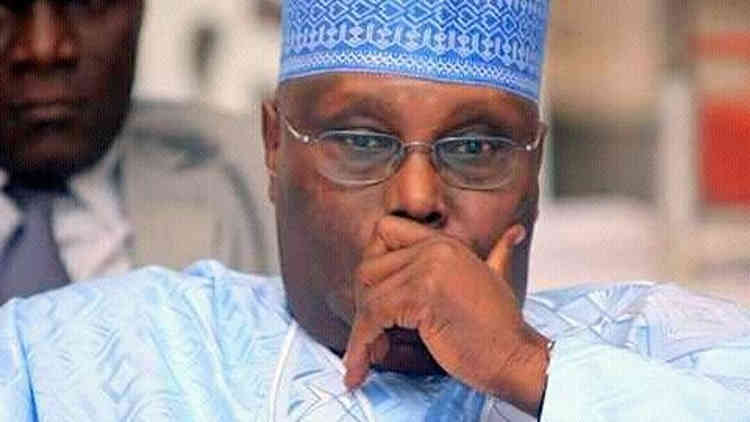
Atiku Abubakar fuel subsidy policy criticism has intensified after former Vice-President Atiku Abubakar cited an SBM Intelligence survey showing that 67.4 per cent of respondents want petrol subsidy restored.
Atiku made the claim in a statement issued on Tuesday by his Senior Special Assistant on Public Communication, Phrank Shaibu. He said the result reflected growing public concern over petrol prices and the wider cost of living.
However, the survey measures the views of its respondents. It does not, by itself, establish that all Nigerians reject the policy.
SBM Intelligence surveyed 1,103 eligible voters across 12 states and the Federal Capital Territory. The study covered the six geopolitical zones and included respondents from both urban and rural areas.
According to the survey, 67.4 per cent of respondents rejected the current petrol pricing policy, while 19.2 per cent supported it. Petrol ranked as the second-most cited national problem and received a score of 1.69 out of four as a policy issue.
Atiku said the figures showed that many Nigerians wanted relief from higher transport and living costs. He also criticised the removal of the petrol subsidy under President Bola Tinubu.
The former vice-president argued that the Atiku Abubakar fuel subsidy policy debate should focus on how government can reduce pressure on households and businesses.
He also outlined his alternative. Atiku said he would introduce a production subsidy for petroleum products refined in Nigeria and sold domestically if elected in 2027.
He said imported products would not qualify. He also proposed a fixed spending limit, National Assembly approval and independent audits for the programme.
The survey also found differences between rural and urban respondents. Petrol was identified as a primary concern by 32.4 per cent of rural respondents, compared with 11.7 per cent of urban respondents.
Meanwhile, the debate over the Atiku Abubakar fuel subsidy policy proposal is likely to remain part of Nigeria’s wider discussion about petrol prices, inflation, public spending and economic reforms.

