

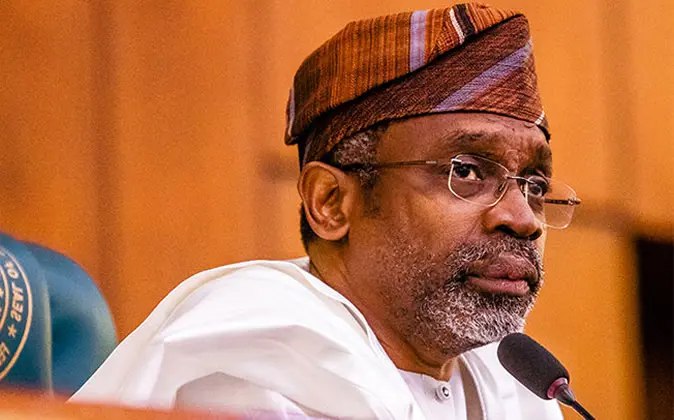
Femi Gbajabiamila, Chief of Staff to President Bola Tinubu, has said the President inherited an economy that was dangerously close to collapse when he assumed office, arguing that difficult reforms were necessary to prevent a deeper economic crisis.
Speaking at the Working People United Good Governance Summit in Abuja on Thursday, Gbajabiamila stated that the administration faced limited options upon taking office. He explained that although the government could have retained the fuel subsidy for political reasons, President Tinubu chose to remove it in what he described as a decision made in the interest of Nigeria’s long-term future.
According to Gbajabiamila, the fuel subsidy removal ended a system that consumed trillions of naira annually while disproportionately benefiting a small segment of the population. He also pointed to challenges within the foreign exchange market, arguing that the previous regime was draining national reserves and creating distortions in the economy.
“The President had a choice of approaching governance, the actual one of two ways, either coming and governed as a politician or coming and governed as a statesman,” Gbajabiamila said. He added that Tinubu chose to focus on future generations rather than short-term political gains.
While acknowledging the hardship caused by the reforms, he maintained that the measures were unavoidable. He noted that rising prices and increased living costs have placed pressure on many households but insisted that the country would have faced even greater economic difficulties without the changes.
Speaking at the same event, Labour and Employment Minister Mohammad Dingyadi said sustainable development requires bold decisions, patience and sacrifice. He argued that the administration remains committed to building a stronger and more resilient economy.
Also addressing participants, William Akporeha, National Coordinator of Working People United, acknowledged that the fuel subsidy removal had increased financial pressure on citizens. However, he argued that avoiding reform would have posed a greater risk to the country’s economic future.
Focus Key Phrase: Fuel Subsidy Removal
Tags:

