

The Federal Government has dismissed claims that the Tinubu administration borrowed ₦80 trillion within the last three years, describing the figure as misleading and based on accounting adjustments rather than fresh loans.
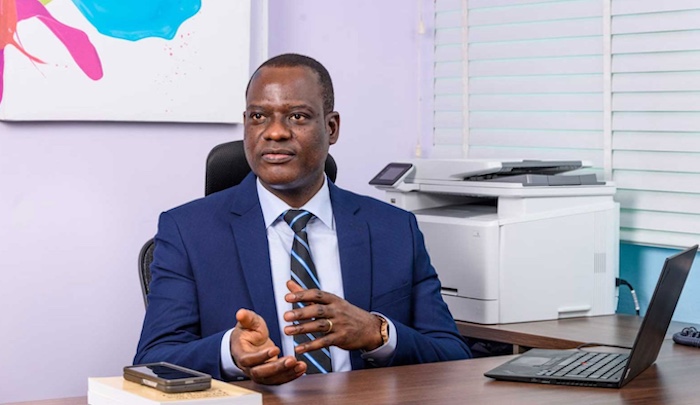
Speaking before the Senate Committee on Finance in Abuja, the Minister of Finance and Coordinating Minister for the Economy, Taiwo Oyedele, explained that Nigeria’s reported public debt has increased largely because of the revaluation of foreign debt and the recognition of existing obligations, not because of excessive borrowing by the current government.
Responding to concerns raised by Senator Adamu Aliero, Oyedele said, “When this administration came into office, public debt was around ₦75 trillion. Many people simply compare that figure with today’s debt stock and conclude that this government has borrowed massively.”
He explained that the depreciation of the naira forced the government to revalue its foreign currency debt, adding more than ₦40 trillion to the total debt figure. He also noted that the securitisation of Ways and Means advances approved by the National Assembly added about ₦33 trillion to the official debt stock without representing new borrowing.
According to the minister, “The actual amount this administration has borrowed is nowhere near what many people believe. Even for domestic borrowing, much of it is refinancing. Debt that was borrowed previously matures, and the government raises new debt to refinance it. That is not new borrowing.” He added that the government has borrowed responsibly and only for infrastructure projects, stressing, “We see debt as leverage. Every naira and every dollar borrowed should generate more value than the amount borrowed.”
Some lawmakers, including Senator Tahir Monguno and Senator Adamu Aliero, criticised the slow implementation of the capital component of the 2026 budget. However, the committee chairman, Senator Sani Musa, assured members that progress would soon become visible. He also revealed that lawmakers are considering a performance and priority-based budgeting system to replace the current envelope approach and restore the previous payment system for contractors.
Do you think the government has done enough to clearly explain Nigeria’s public debt figures to citizens?

