

|By Chinwendu Nwani
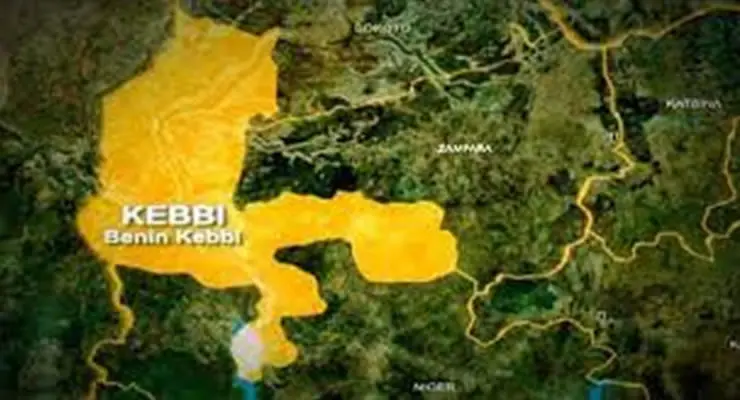
The Kebbi Development Forum has demanded sweeping security reforms after suspected Lakurawa bandits stormed eight communities in Arewa Local Government Area, killing at least 33 people in one of the deadliest assaults recorded in the area in recent months.
Residents disclosed that the heavily armed attackers struck multiple settlements, unleashing violence that left dozens dead and rustling cattle before fleeing. Survivors described the invasion as coordinated and devastating, deepening fears across border communities already grappling with persistent banditry.
The latest bloodshed underscores the escalating wave of bandit-related attacks troubling several parts of Kebbi State, particularly communities near international borders where criminal networks reportedly operate with ease.
In a statement issued on Sunday and signed by its Chairman, Saidu Illo, the Kebbi Development Forum pressed authorities to urgently recalibrate the state’s security architecture. The group advocated a coordinated and decentralised approach that empowers grassroots institutions to respond swiftly to emerging threats.
The forum specifically urged government at all levels to strengthen traditional institutions and local government authorities to reinforce community-based security systems. According to the group, local actors possess critical intelligence and proximity that can significantly improve early warning mechanisms and rapid response strategies.
Raising fresh concerns, the forum also pointed to reported threats looming over parts of Koko-Besse and Ngaski local government areas. It warned that failure to intervene decisively could inflame tensions and expose more communities to similar attacks.
Beyond domestic measures, the group called for intensified collaboration between the Federal Government and neighbouring countries to dismantle cross-border criminal networks fueling insecurity in Kebbi and other frontier states.
Security analysts note that sustained inter-agency coordination, intelligence sharing, and regional cooperation remain pivotal to breaking the cycle of rural violence that has continued to claim lives and destabilise livelihoods in northern Nigeria.

