

|By Adejumo Adekunle-
-Tax Reform Architect Says New Legislation Brings Fulfillment, Hope for Nigeria
–Oyedele Commends Stakeholders, Says Implementation Is the Next Big Task
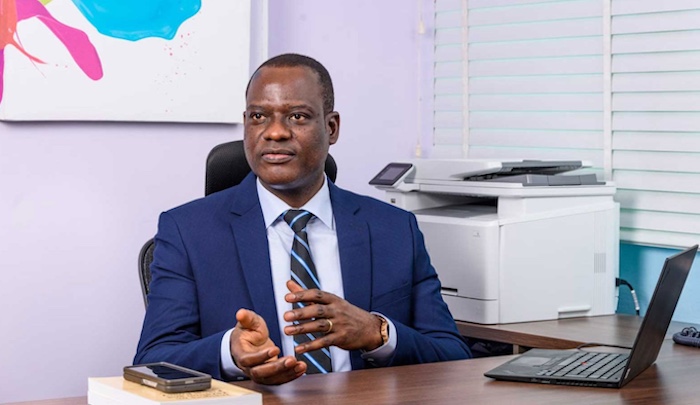
Chairman of the Presidential Committee on Fiscal Policy and Tax Reforms, Taiwo Oyedele, has expressed deep satisfaction over the signing of Nigeria’s new tax reform bills, describing the moment as both fulfilling and promising for the country’s economic future.
Speaking on The Morning Brief, a Channels Television programme aired on Friday, Oyedele declared that while the signing marked a major victory, the real work — implementation — was just beginning.
“So I feel, first, a sense of satisfaction and fulfillment. I also feel more hopeful about the country,” Oyedele said.
“It’s been a very difficult journey. And thanks to all our stakeholders… now that we’re here, I think the foundation has been laid.”
Oyedele likened the signing to laying a foundation for a house, warning that the journey to comprehensive tax reform was still in its early stages.
“We’re not under any illusion that the house is ready. If you’re homeless and you manage to put up a foundation, you are still homeless.
But you’ve made very important progress. And therefore, just building on that, here’s the next phase, and we’re excited to embark on this journey together.”
The signing ceremony took place at the Presidential Villa, with top government officials, governors, ministers, members of the National Assembly, and presidential aides in attendance.
The bills signed into law include:
-
Nigeria Tax Bill
-
Nigeria Tax Administration Bill
-
Nigeria Revenue Service (Establishment) Bill
-
Joint Revenue Board (Establishment) Bill
According to a statement from the presidency, the newly signed legislation is designed to modernize Nigeria’s tax system, boost revenue generation, simplify tax administration, and encourage both local and foreign investment by improving the ease of doing business.
Oyedele emphasized that the foundation is now set for broader reforms and urged continuous collaboration among government, the private sector, and civil society to drive effective implementation.

