

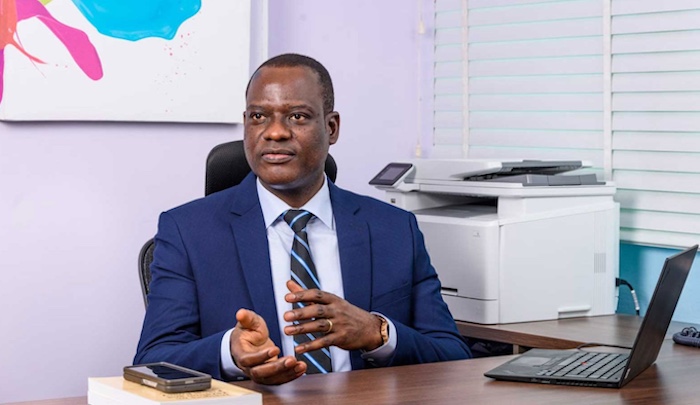
|By Adejumon Adekunle
Chairman of the Presidential Committee on Fiscal Policy and Tax Reforms, Taiwo Oyedele, has disclosed that Nigeria’s ongoing tax reforms have exposed him to serious threats to his personal safety, underscoring the high stakes involved in restructuring the country’s fiscal system.
Oyedele made the revelation on Tuesday in Abuja while speaking at a governance colloquium organised to mark the 50th birthday of Hadiza Bala Usman, the Special Adviser to the President on Policy and Coordination.
Addressing participants, Oyedele said tax reforms remain among the most difficult governance interventions because they directly confront entrenched interests. He stressed that resistance is inevitable when attempts are made to overhaul systems that have long benefited powerful actors.
He explained that Nigeria’s reform drive is weighed down by low public trust in government, weak tax compliance, and limited understanding of how taxes translate into public services. According to him, these factors have sustained a fragile tax culture and slowed progress for decades.
Oyedele noted that Nigeria’s tax revenue lags significantly behind that of comparable economies, making comprehensive reform unavoidable rather than optional. He warned that opponents of the reforms have dominated public discourse largely because supporters often remain silent.
The tax reform chief confirmed that the Federal Government commenced the implementation of new tax laws on January 1, 2026. He said the reforms are built on four major legislations: the Nigeria Tax Act 2025, the Nigeria Tax Administration Act 2025, the Nigeria Revenue Service Establishment Act 2025, and the Joint Revenue Board Establishment Act 2025.
Trust, Oyedele said, remains one of the most critical barriers to success, both between citizens and government and within government institutions themselves. He added that many Nigerians are unaware of their tax obligations due to years of weak enforcement and poor civic education.
He also identified a major communication gap surrounding the reforms, noting that many citizens wrongly believe the government has introduced new taxes. In reality, he said, the reforms aim to reduce, harmonise, and streamline multiple existing taxes to ease compliance and improve efficiency.
Despite facing threats, online attacks, and reputational risks, Oyedele maintained that the current reform approach is necessary. He described previous efforts at fixing Nigeria’s tax system as temporary measures that failed to deliver lasting results.
According to him, the present reforms represent a fundamental intervention that may come with short-term discomfort but offers the only viable path to long-term fiscal stability. He expressed confidence that sustained political will and public support would secure Nigeria’s economic future.

