

By Jerry Williams
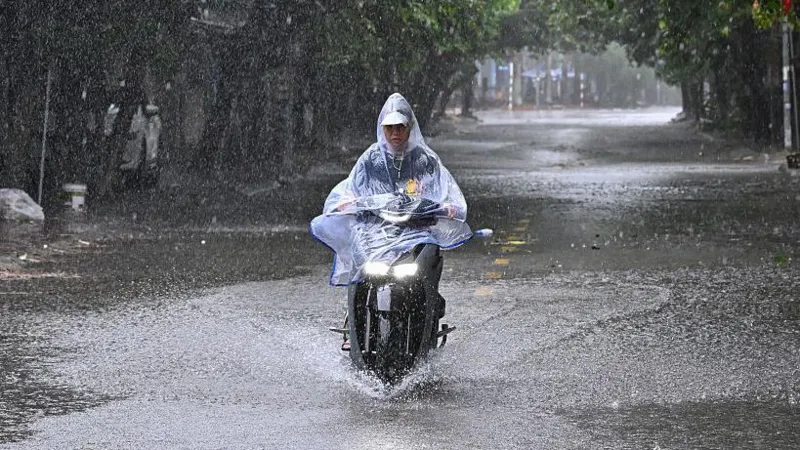
HA TINH, VIETNAM — Typhoon Kajiki pounded Vietnam’s central coast on Monday, unleashing fierce winds and torrential rain that ripped rooftops off homes, toppled trees, and forced nearly 600,000 residents to flee.
The storm made landfall in Ha Tinh province Monday afternoon, bringing wind speeds of up to 133 km/h (82 mph). Authorities ordered widespread evacuations across six provinces, shut down airports, and suspended train services as the storm surged inland.
“It’s terrifying,” said Dang Xuan Phuong, a resident of Nghe An province, where two-metre-high waves flooded roads and surrounded homes. Others, like 66-year-old Le Manh Tung in coastal Vinh, said they had never seen a storm of such scale: “I’m a bit scared… but we can’t stop nature.”
Emergency shelters are now hosting hundreds of thousands in hard-hit areas like Nghe An, while 400 communes remain on high alert for flash floods and landslides, Vietnam’s meteorological centre warned.
Kajiki had earlier skimmed China’s southern coast, damaging roads, power lines, and water systems before shifting toward Vietnam. Though its strength decreased after landfall, meteorologists say wind speeds remain dangerous.
The storm strikes less than a year after Typhoon Yagi, Vietnam’s deadliest in decades, killed 300 people and plunged over a million into darkness.
As global temperatures rise, experts warn typhoons may bring even more destructive winds and rainfall. While the link between climate change and any single storm remains complex, scientists agree the risks are escalating.
Kajiki has left a trail of damage across Southeast Asia, and Vietnam now braces for potential landslides and continued flooding in its vulnerable regions.

