

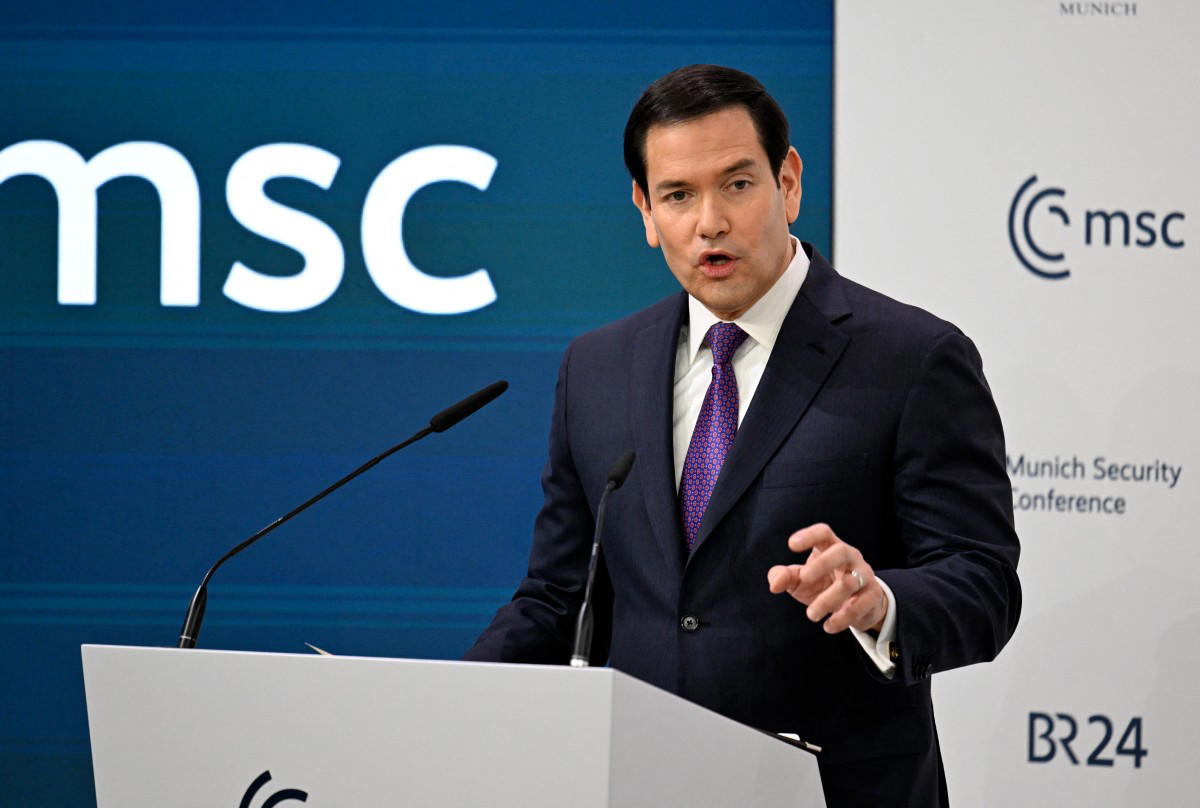
US Secretary of State Marco Rubio has assured Gulf nations that any future agreement with Iran will not come at the expense of their security, as negotiations continue following a preliminary deal aimed at ending the recent conflict in the Middle East.
Speaking at a meeting of the Gulf Cooperation Council (GCC) in Bahrain, Rubio stressed that Washington remains committed to protecting the interests of its regional partners. He stated, “While we want a deal, we don’t want a deal at any price.”
The top US diplomat explained that the ongoing US-Iran negotiations must not undermine the stability, security or prosperity of Gulf countries. Discussions between Washington and Tehran are expected to address several sensitive issues, including Iran’s nuclear programme, sanctions relief and energy flows through the strategically important Strait of Hormuz.
Rubio also moved to reassure Gulf states over concerns surrounding access to the waterway. During the recent conflict, Iran imposed a blockade on the Strait of Hormuz, disrupting global energy markets. Although the blockade has since ended, Tehran has proposed introducing maritime service fees, a move strongly opposed by the United States and its allies.
Addressing the issue, Rubio insisted that the Strait of Hormuz should remain an international waterway open to all commercial vessels without tolls or charges. He argued that unrestricted navigation is essential for global trade and economic stability.
Meanwhile, diplomatic efforts continue across the region. Oman recently unveiled a temporary shipping corridor through the strait, while Qatar has launched discussions involving Gulf states, Iraq and Iran aimed at addressing future navigation arrangements.
Iran has maintained a confident stance following the conflict, describing the initial agreement with Washington as “a declaration of America’s defeat.” However, both sides are expected to resume technical discussions in the coming days as the US-Iran negotiations move forward.
The outcome of these talks could have significant implications for regional security, energy markets and the future management of the Strait of Hormuz, one of the world’s most important maritime routes.

