

By Babatunji Wusu
-
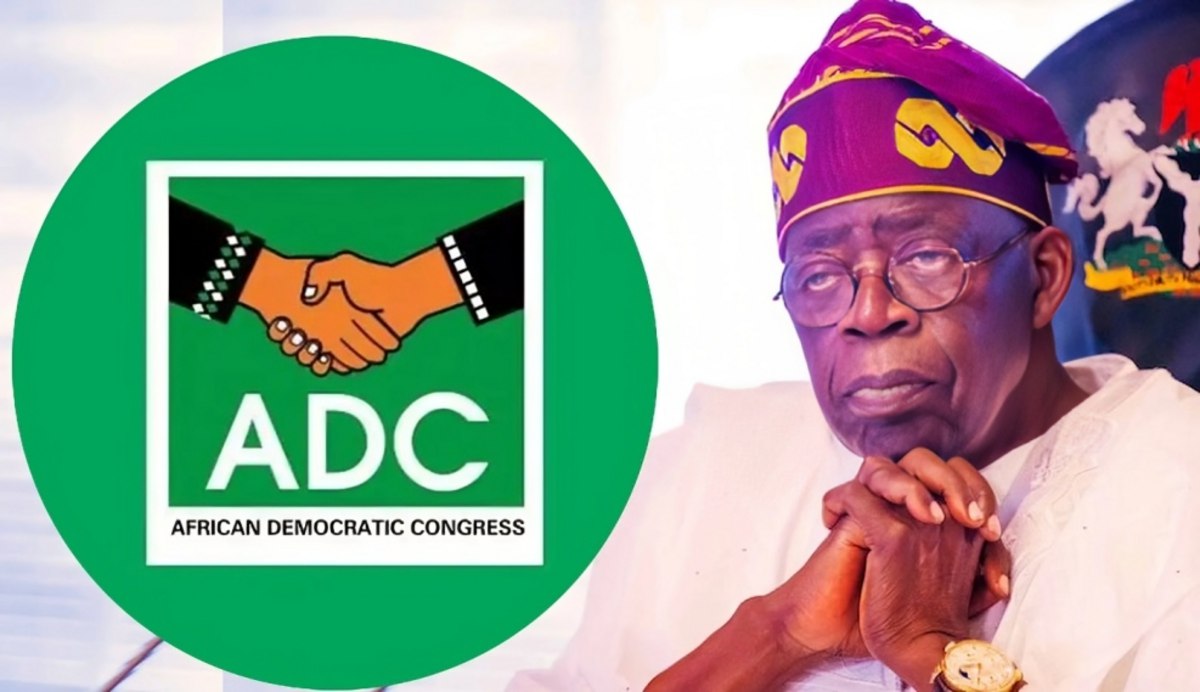
The African Democratic Congress (ADC) accused President Bola Tinubu’s administration of rapidly increasing Nigeria’s debt, borrowing far more annually than his predecessor, Muhammadu Buhari.
-
ADC described Tinubu’s borrowing as “fiscal vandalism” and warned Nigeria’s total debt could surpass ₦200 trillion before the end of 2025.
-
The party criticized the recent approval of a $21 billion foreign loan, labeling it a dangerous move that mortgages Nigeria’s future.
-
It highlighted that higher borrowing in foreign currency, compounded by naira depreciation, makes the debt burden heavier despite lower dollar values.
-
ADC called out the National Assembly for rubber-stamping loan requests without due oversight.
-
The party demanded a full public audit of Nigeria’s loans over the past decade, including details of amounts, interest rates, repayment terms, and usage of funds.
-
ADC urged President Tinubu to halt “reckless borrowing” and focus on reforms and prudent fiscal management instead.
The African Democratic Congress (ADC) has strongly criticized the current administration under President Bola Tinubu for what it calls an uncontrollable surge in Nigeria’s debt. According to a statement issued by the party’s National Publicity Secretary, Mallam Bolaji Abdullahi, Nigeria is on track to exceed ₦200 trillion in total debt stock before the close of 2025, a staggering rise compared to previous years.
The ADC described the borrowing pace as a “dangerous obsession” and “fiscal vandalism,” noting that whereas the Buhari administration borrowed an average of ₦4.7 trillion annually, the Tinubu government’s borrowing has skyrocketed to nearly ₦49.8 trillion per year within just two years — over ten times the previous amount.
Of particular concern to ADC is the recent greenlighting of a fresh $21 billion in foreign loans, which the party argued jeopardizes the nation’s financial future by covering up ineffective policies today. They also countered claims that Tinubu’s borrowing in dollar terms is lower, pointing out that naira depreciation inflates the local currency cost significantly.
The opposition party accused the National Assembly of failing in its oversight role by approving massive loans without sufficient scrutiny or demand for accountability. They highlighted the persistent poor state of Nigeria’s infrastructure — deteriorating roads, neglected schools, under-equipped hospitals, and unreliable electricity — as evidence that borrowed funds are not translating into tangible development.
Demanding transparency, ADC called for a comprehensive audit of the entire borrowing portfolio over the past decade to clarify how much has been borrowed, under what terms, and how the money has been spent. It implored the Tinubu administration to stop “borrowing to paper over bad policies” and instead focus on meaningful reforms and fiscal discipline.
The ADC’s sharp critique adds to growing concerns about Nigeria’s mounting debt levels and challenges facing the country’s economic management amid a challenging global and domestic environment.

