

|By Chinwendu Nwani
Organisers of the 2025 Carnival Calabar have confirmed that no fewer than 181,824 male and female condoms were distributed during the festivities, as part of an intensified HIV prevention and sexual health campaign across the state.
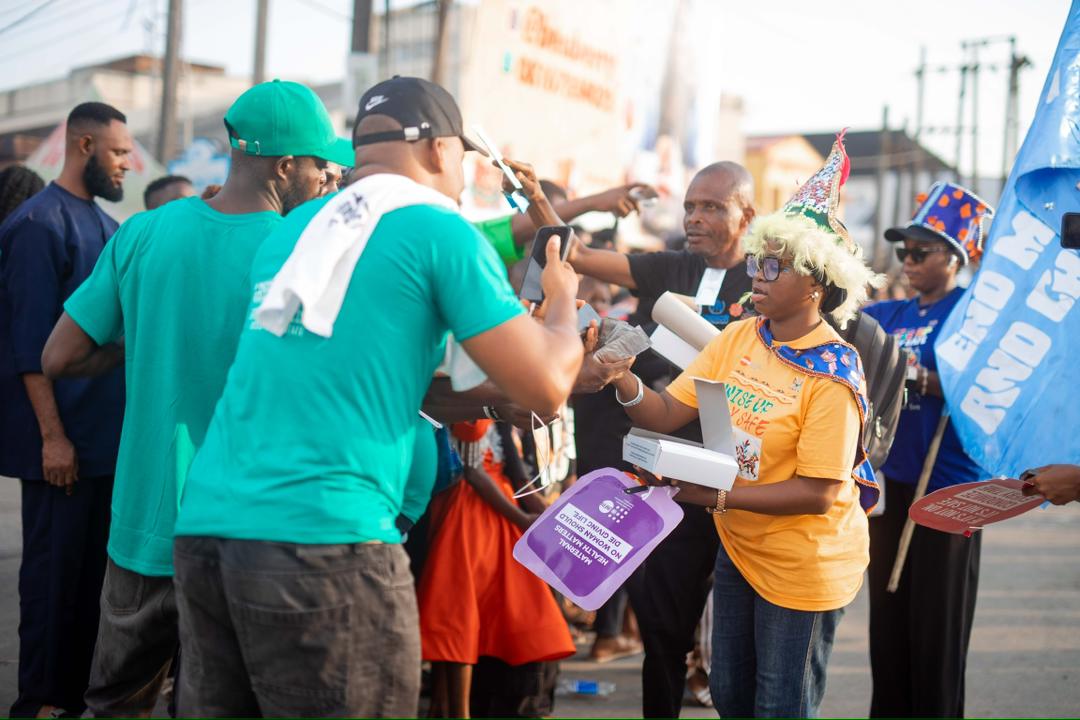
The Director-General of the Cross River State Agency for the Control of AIDS (CR-SACA), Dr Charles Iwara, disclosed that the intervention was carried out through the 9th edition of the Wise Up Carnival Campaign, implemented in partnership with the Cross River State Government, the Ministry of Health and the United Nations Population Fund (UNFPA).
Dr Iwara said the one-month campaign ran from December 1, to mark World AIDS Day, through December 29, aligning with the peak period of the Carnival Calabar celebrations. He explained that the strategy focused on taking health services directly to social spaces, particularly young people and visitors, through the establishment of a Wise Up Health Booth at the Calabar Christmas Village.
According to him, the booth provided youth-friendly and stigma-free access to integrated health services outside conventional hospital settings, significantly expanding outreach during the high-traffic festive season. He noted that close to 100,000 people were reached with health education, behavioural counselling, and sexual and reproductive health information and services.
Dr Iwara further revealed that 1,189 individuals underwent HIV testing during the campaign, adding that all positive cases identified were immediately linked to care and treatment, strengthening the campaign’s prevention and referral outcomes.
He described the Wise Up Carnival Campaign, introduced in 2016, as a critical platform for delivering targeted HIV prevention messages and youth health services during periods of increased population movement into Cross River State.
The 2025 edition was held under the theme “Your Choice Leaves Traces,” which aligned with the Calabar Carnival’s 20th anniversary theme, “Traces of Time.” Dr Iwara said the theme was designed to emphasise the long-term health consequences of decisions made during celebrations.
Beyond HIV prevention, the campaign also delivered malaria and hepatitis screening, blood pressure and blood sugar checks, family planning services, pregnancy testing, medical consultations, and support services for survivors of gender-based violence.
He added that the intervention was driven by more than 75 trained volunteers, with funding and logistical support provided by the Cross River State Government and UNFPA.

