

|By Adejumo Adekunle
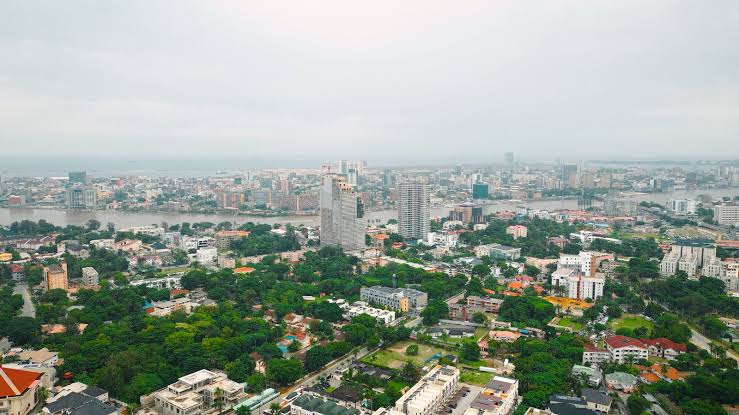
Rental prices in Lagos’ luxury real estate market have soared to unprecedented levels, with prime two-bedroom apartments now leasing for as much as ₦38 million annually, according to Northcourt’s H1 2025 Nigeria Real Estate Market Review.
The report underscores a sustained surge in high-end property values over the past 18 months. A one-bedroom luxury flat in Lagos now carries a price tag of about ₦180 million, while three-bedroom units in Old Ikoyi command between ₦700 million and ₦1.2 billion. At the top tier, penthouses fetch up to ₦8 billion, especially those offering smart-home technology and gated-community exclusivity.
Northcourt attributed the surge to diaspora investors from the US and UK, alongside high-net-worth individuals and expatriates, who are driving demand for premium residences combining comfort, advanced security, and sustainability systems.
“Average rental and sale prices of apartments have climbed steadily in the past 18 months. Two-bedroom rentals now cost as much as ₦36 million yearly, while luxury penthouses with servants’ quarters are attracting record offers,” the report noted.
Beyond foreign inflows, the review revealed that South African property developers are increasingly eyeing Nigeria’s luxury housing market. Still, diaspora buyers remain the strongest force. Northcourt projects the global luxury real estate market will hit $4.34 trillion by 2029, with Nigeria positioned to retain a significant share of the growth.
Developers are also reshaping supply to match this appetite. New projects prioritize gated estates with advanced perimeter detection, smart lighting, eco-friendly waste management, and spacious layouts tailored to families and professionals seeking both comfort and security.
In Victoria Island, Quantum Properties is spearheading landmark projects such as Quantum Luxury Towers and the 28-storey Metropolitan Towers on Ozumba Mbadiwe Street. Designed by international firms and backed by top construction companies, the developments mark a new phase of architectural ambition, with completion set for December 2027.
However, the report cautioned that while the luxury market thrives, Nigeria’s broader housing sector remains in distress. Persistent challenges—ranging from homelessness and weak property rights to limited access to finance—continue to widen the housing deficit and stall affordable housing initiatives.

