

|By Adejumo Adekunle
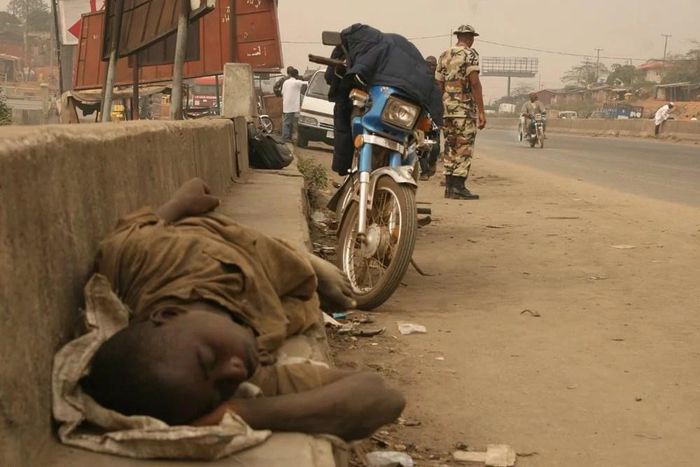
KANO — Over two million children, commonly referred to as street urchins, are sleeping in unsafe and unhygienic conditions across Kano, the Global Improvement of Less Privileged Persons Initiative (GIOPPINI) has revealed.
The non-governmental organisation, following an extensive scientific survey, warned that the children are exposed daily to health risks, crime, and exploitation.
“These street urchins sleep in hazardous environments in Kano and face serious safety threats every day,” GIOPPINI Executive Director, Mohammed Ali Mashi, told journalists. The survey mapped children living in areas including Race Course, Central Hotel, Railway Station, Nassarawa Hospital Road, Dangi Bridge, Zoo Road, Ado Bayero Bridge (Gadar Lado), New Road in Sabon Gari, Mariri, and Kofar Ruwa Parks.
Mashi said many of the children migrate from neighbouring states, while others originate from rural Kano communities, displaced by poverty. “Many come under the guise of seeking Quranic education but end up in dangerous street conditions,” he noted.
He added that hunger and lack of supervision often force children to abandon school, pushing them deeper into street life. Over time, they become vulnerable to crime, exploitation, and clashes with the law.
“Unchecked, this situation could trigger widespread insecurity and social unrest,” Mashi warned. He urged government agencies, religious institutions, community leaders, and civil society groups to collaborate in addressing the crisis.
The NGO called for structured rehabilitation and reintegration programs, including shelter, food, healthcare, and access to education. “While pursuing Quranic knowledge is noble, it must be accompanied by proper welfare and supervision to prevent children from drifting into destitution,” Mashi said.
He also recommended a coordinated government policy to regulate child movement across states, enforce accountability among school proprietors, and provide sustainable support for vulnerable families. “Without decisive action, the cycle of poverty, neglect, and crime will continue, leaving Kano in a precarious situation,” he concluded.

