
By peterside Rejoice
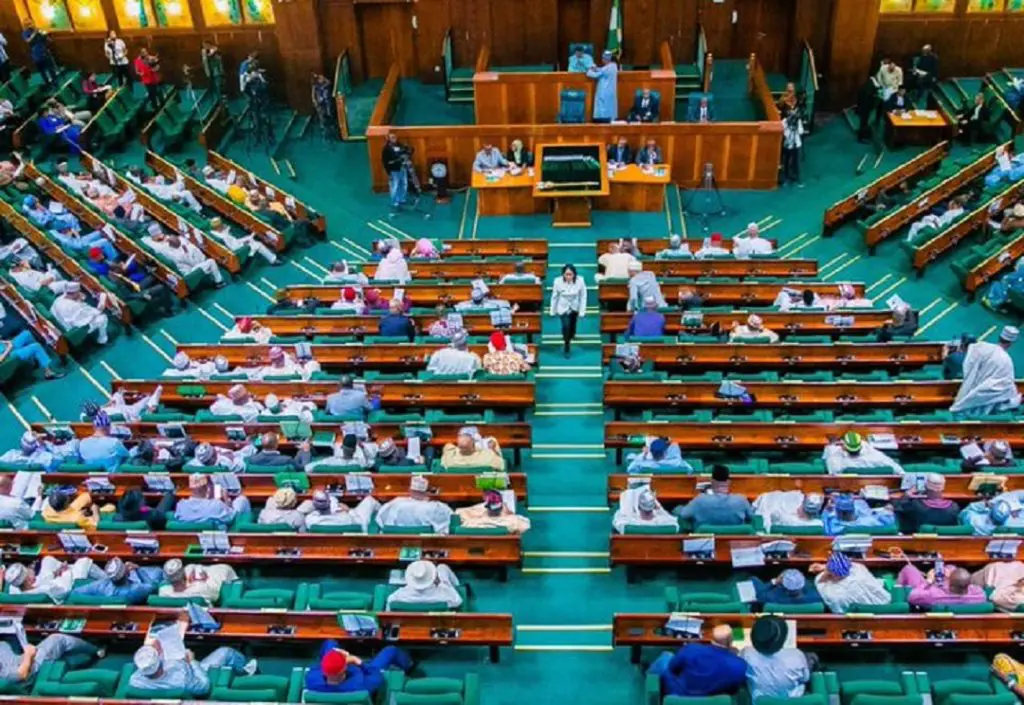
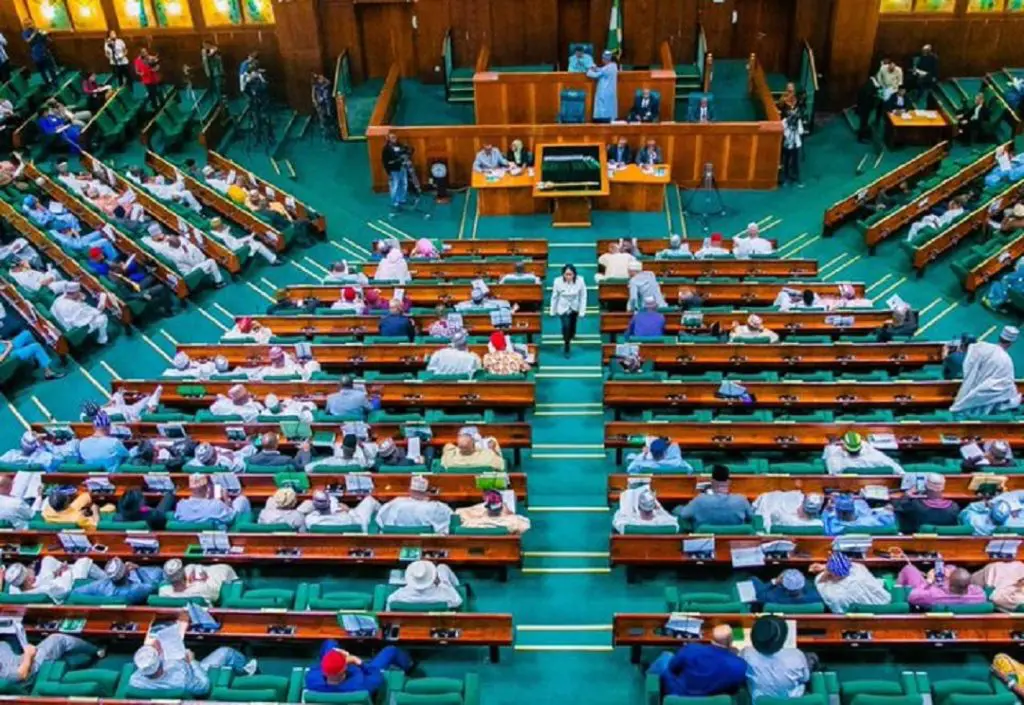
The House of Representatives Special Ad-hoc Committee on the Rehabilitation and Operationalisation of the Baro Inland Port in Niger State has been launched with a strong commitment to revive the long-neglected national assets across the country.
Speaking while declaring the meeting Open yesterday, the Chairman of the Committee, Hon Saidu Abdullahi emphasized the importance matching the words with action in order to go beyond empty promises and deal with issues at hands.
He, therefore pledged his Committee readiness to address challenges that will make the Baro Port fully functional once again.
The Ad-hoc Committee had its inaugural meeting yesterday at the National Assembly Complex, Abuja.
At the meeting, the Chairman highlighted the historical importance of the Baro Inland Port, which he explained once served as a key logistics hub during the colonial era.
He informed that the resuscitation of Baro Inland Port will enable the smooth transportation of agricultural goods and services from the northern Nigeria to coastal ports using a combination of rail and inland waterways.
According to the committee, for several years, Nigeria’s have decided to shift toward oil dependence and the prioritization of road infrastructure led to the gradual abandonment of inland waterways across the country.
The lawmaker equally observed that the neglect has hurt the economy, the environment, and the lifespan of road networks due to overuse.
Drawing inspiration from global models, Hon. Abdullahi cited China’s Yangtze River Port and the U.S. Mississippi River Port system as successful examples of inland waterways that power national economies while calling on Nigeria leaders to urgently adopt a similar vision to unlock the potential of the Baro Port.
Accordingly, the Chairman also identified three major issues preventing the port’s full operationalisation: these includes, the need to dredge the main channel to enable vessel navigation, the need to reconnect Baro to the national rail system via Minna as well as the need to construct accessible roads to facilitate cargo movement.
He also raised the hope that all essential equipments for the full resuscitation of Baro inland port is already in place even as he also emphasized his committee’ readiness to bring together all relevant stakeholders inorder to ensure an effective, workable solutions that will address these critical challenges.
He also stressed that relying solely on government funding is unrealistic adding that capable private-sector involvement and innovative financing options must be pursued with zeal and vigour.
It was gathered that the committee is currently planning to explore public-private partnerships, investment from development finance institutions, and other non-traditional funding sources to revive the Baro Port and potentially other inland waterway projects across the country.
Consequently, the chairman also expressed optimism that the committee’s efforts would create a template for successful infrastructure rehabilitation of inland ports nationwide.
He, therefore called on the media practitioners to help sustain public attention and ensure accountability throughout the process, underscoring the project’s importance for national growth and development.
Other members of the Committee including former Deputy Speaker Hon Wase,Idris while speaking stressed the need to approach the project with a national and regional perspective.
He informed that lawmakers represent Nigeria pointed out that the Baro Port has the potential to serve not only Nigeria but also the broader Northern African region and should be framed as a national priority.
In his contributions during the meeting, Hon. Leke Abejide raised serious concern about the failure of similar ports due to the absence of incentives for major shipping lines even as he advised that the success of the Baro Port would depend on attracting at least one major shipping line initially, which could, in turn, encourage others to follow.
Thereafter, the lawmaker who is also the Chairman House of Representatives Committee on Customs and Excise also observed that the success of the Lagos Free Trade Zone should be a model to copy from.
The high point of the meeting was adoption of the Work Plan by members of the Committee.
About Author


