

By Babatunji Wusu
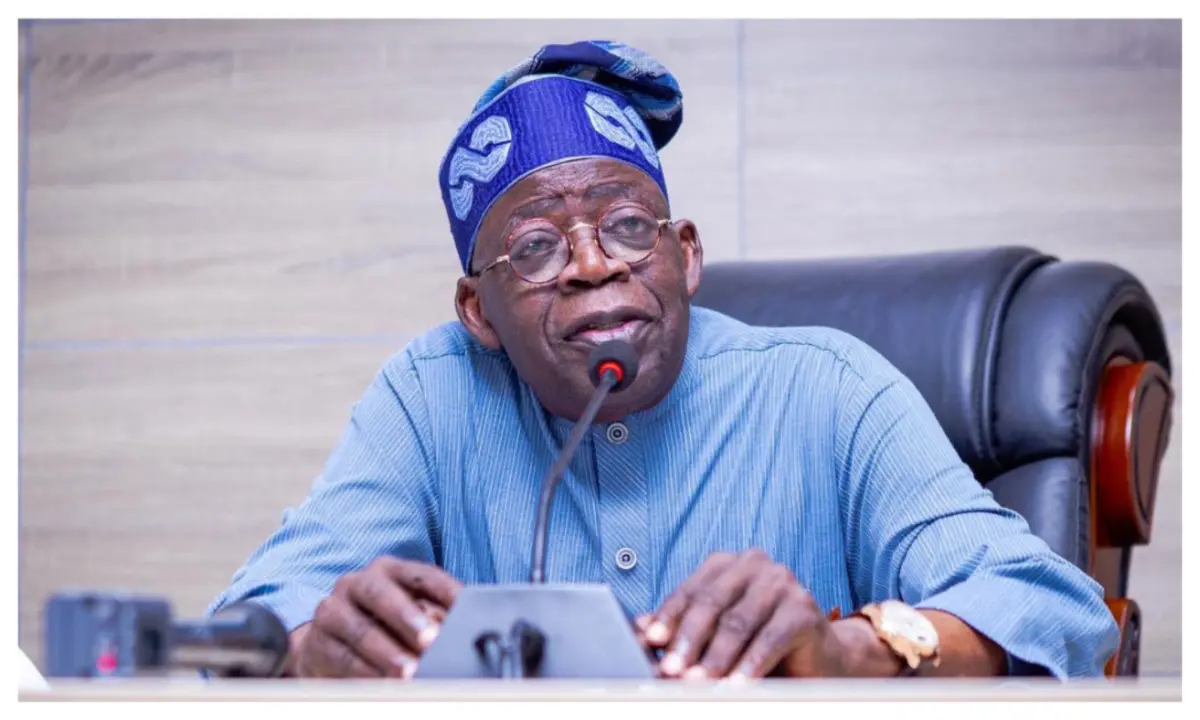
President Bola Ahmed Tinubu has raised an alarm over what he describes as a political plot to force him out of office using the nation’s security challenges as a weapon. Speaking during a recent engagement, the President alleged that certain individuals are exploiting the current atmosphere of unrest to destabilize his administration. He warned that those focusing solely on these challenges are “playing into the hands of fidgets” and personal enemies who seek to undermine his leadership.
Despite the growing pressure and criticism regarding the state of the nation, the President remains unfazed. He characterized himself as a “stubborn politician” who is determined to see his vision for Nigeria through to the end. “I just refuse to go,” he declared, making it clear that he will not be intimidated by those calling for his resignation or seeking to shorten his tenure through unconventional means.
Eyeing a Second Term
The President also used the opportunity to signal his intentions for the future, confirming that he is already looking toward the 2027 general elections. He reaffirmed his commitment to his mandate and expressed his readiness to return to the field to seek a second term in office.
-
Resilience: The President insists he will stay the course despite ongoing security hurdles.
-
Campaign Readiness: He stated, “I’ll be campaigning for my second term, I’ll work hard,” signaling an early start to his re-election strategy.
-
Security Focus: While acknowledging the challenges, he maintains that they should not be used as a tool for political sabotage.
The presidency has consistently maintained that while security remains a priority, political opponents should wait for the ballot box rather than attempting to force a change in government through the exploitation of national crises. As the political landscape begins to shift toward the next election cycle, Tinubu’s “stubborn” stance suggests a high-stakes battle for the soul of the country.
Should political performance be judged primarily on security, or should economic reforms take equal weight in the re-election conversation?

