

By Babatunji Wusu
-
The Bariga Local Council renamed the famous “Charly Boy Bus Stop” to “Badoo Bus Stop” to honor rapper Olamide Badoo.
-
Charly Boy, a well-known entertainer and activist, strongly disagreed with the change, saying it cannot erase his legacy and was done out of fear of his activism.
-
Some activists said the renaming was unfair, done without proper process, and meant to silence voices like Charly Boy’s.
-
The Lagos State government explained that renaming streets is the local government’s job and that the Bariga council followed the law.
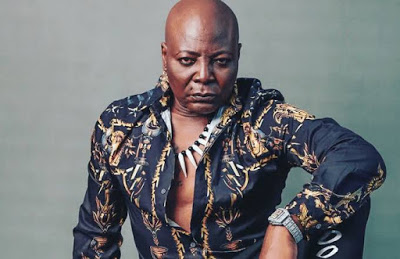
Veteran musician, entertainer, and human rights activist Charles Oputa, popularly known as Charly Boy, has strongly criticized the Bariga Local Council Development Area (LCDA) for renaming the well-known Charly Boy Bus Stop to Badoo Bus Stop, after rapper and YBNL record label owner Olamide Adedeji, also known as Olamide Badoo.
The renaming was announced by the immediate past chairman of the LCDA, Kolade David, who stated that the move was part of an effort to honor individuals from the area who have brought pride to Bariga and enhanced Nigeria’s global image through their talents and contributions. Under this initiative, Ajidagan Street was renamed Olamide Adedeji Badoo Street, and Charly Boy Bus Stop became Badoo Bus Stop.
Responding via his X (formerly Twitter) handle, Charly Boy described the renaming as more than symbolic—calling it a deliberate attempt to erase his decades-long activism and persistent social defiance. He emphasized that while the signboard can change, the legacy and spirit he built cannot be erased. He said:
“You can rename a place, but you can’t rename a legacy. You can replace the signboard, but you can’t erase the spirit. And you definitely can’t silence a voice that shook your tables for decades! This is not just about a bus stop; this is about fear… Fear of a man who challenged the oppressors.”
Charly Boy also pointed out that the bus stop’s name was given organically by the people of Bariga and Lagos, not through political endorsement. He reaffirmed his unwavering commitment to his activism, insisting that the renaming would not diminish his impact or the popular identity he holds among his community.
Human rights activist Omoyele Sowore also condemned the renaming, calling it “vindictive, haphazard, and laced with ethnic undertones,” framing it as a spiteful act aimed at silencing a key voice in Nigeria’s creative resistance and people-powered culture.
Lagos State Commissioner for Information Gbenga Omotosho clarified that street naming and renaming fall under the jurisdiction of local governments, noting the council acted within the law and that the state government does not regulate such decisions.
The controversy highlights a clash between grassroots cultural legacy and official political actions, with Charly Boy’s supporters defending his long-standing influence and activists warning against politicizing and erasing historical landmarks tied to social change in Lagos.
Charly Boy concluded his response with unwavering defiance:
“This name, Charly Boy, is carved into the history of Nigeria, written boldly in the streets of Bariga. ‘Area Fada’ no dey finish. You may change the name, but you will never kill the legacy.”

