About Author


Lastest News Nigeria, Politics, Business, Sport, Interview
By Babatunji Wusu
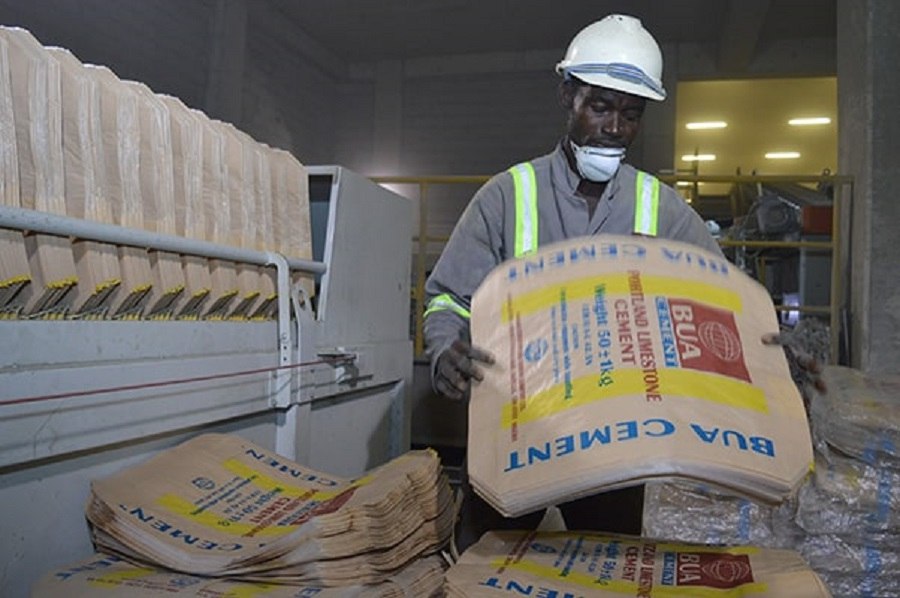
Shareholders of BUA Cement have approved a final dividend of N10 per ordinary share for the 2025 financial year, resulting in a total payout of N338.64 billion to eligible investors.
The approval came during the company’s 10th Annual General Meeting held in Abuja, where management also unveiled plans to expand production capacity to 23 million metric tonnes annually by the end of next year.
According to Chairman Abdul Samad Rabiu, the company achieved strong results despite economic challenges, changing regulations and increasing competition within the cement sector.
The BUA Cement expansion strategy remains central to the company’s long-term growth plans. Rabiu disclosed that revenue climbed to N1.2 trillion in 2025, rising from N876.5 billion recorded in 2024.
Profit before tax also increased sharply by 367 per cent to N465.3 billion, while profit after tax rose by 381.7 per cent to N356 billion during the same period.
Rabiu explained that operational efficiency, cost management, governance reforms and improved treasury management contributed significantly to the company’s performance. He added that the relative stability of the naira during the latter part of 2025 helped reduce finance cost volatility.
The BUA Cement expansion programme includes a new three million metric tonnes per annum cement plant currently under construction in Ososo, Edo State. The company also plans another production line in Sokoto State.
Managing Director Yusuf Binji said the additional projects would increase overall production capacity by six million metric tonnes annually.
He noted that the company successfully managed economic pressures such as insecurity, rising interest rates, volatile energy prices and fluctuating import costs through strategic planning and efficient financial management.
Industry observers believe the BUA Cement expansion projects could strengthen competition, boost local cement supply and support infrastructure development across Nigeria.
Do you think increased local cement production will help reduce construction costs in Nigeria?

