

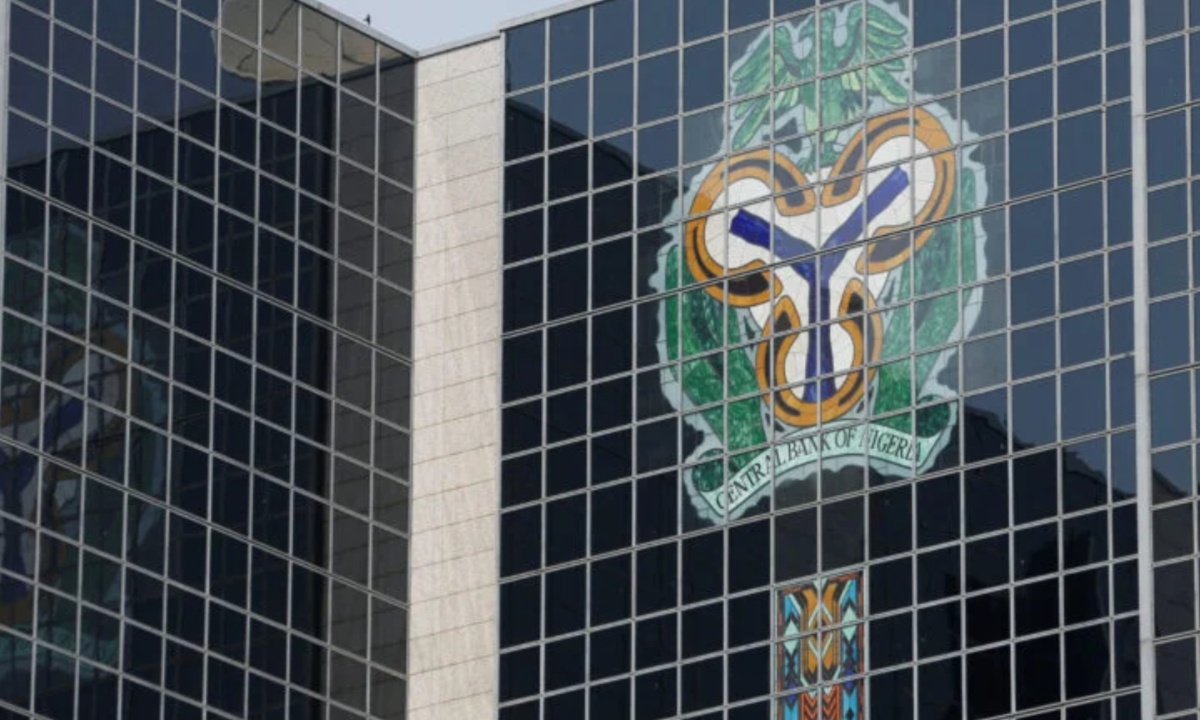
By Babatunji Wusu| The Central Bank of Nigeria (CBN) has introduced a tough compliance framework for the foreign exchange market, imposing a N100 million penalty on banks that process foreign exchange transactions without proper documentation.
The new measure is contained in the fourth edition of the CBN Foreign Exchange Manual, released by the apex bank’s Trade and Exchange Department in May 2026. Under the revised rules, authorised dealers found guilty of processing improperly documented transactions will pay N100 million, in addition to N10 million for each affected transaction.
The CBN forex compliance framework is designed to strengthen oversight, improve transparency and curb violations within Nigeria’s foreign exchange market.
Beyond the headline penalty, the manual introduces stricter reporting requirements for banks. Authorised dealers must submit daily and monthly returns within specified timelines, with late submissions attracting a fine of N500,000. Failure to submit returns carries a minimum penalty of N5 million, alongside an additional N500,000 for each day the violation continues.
The apex bank also announced tougher sanctions for banks that exceed approved Net Open Position limits. Depending on the number of violations, penalties range from warning letters to suspensions from the foreign exchange market.
Importers and exporters are equally affected by the reforms. Importers must submit required exchange control documents within 90 days, while exporters are required to repatriate export proceeds within stipulated periods. Failure to comply will attract restrictions, monetary penalties and other regulatory actions.
The CBN forex compliance reforms also introduce operational changes aimed at improving efficiency. These include increasing allowable advance payments for imports from 15 per cent to 30 per cent, removing processing fees for Form NXP and simplifying some remittance procedures.
According to CBN Governor Olayemi Cardoso, the revised manual reflects the bank’s commitment to strengthening macroeconomic stability and modernising foreign exchange administration.
The apex bank believes the new framework will boost transparency, improve market confidence, attract investment and enhance the integrity of Nigeria’s foreign exchange system.

