

Additional N9.3tn for capital projects drives increase as Senate okays budget
By Rejoice Peterside
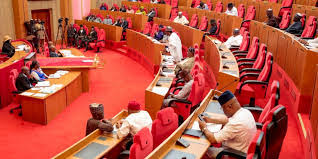
The Senate on Tuesday passed the 2026 Appropriation Bill, raising the total budget to N68.323 trillion after approving an upward review requested by President Bola Tinubu.
The approval followed the consideration of a letter from the president seeking an additional N9.3 trillion to the initial budget proposal. The request, which was read on the floor of the Senate by the Senate President, Godswill Akpabio, brought the proposed budget from N58.47 trillion to N67.7 trillion before lawmakers further increased it to N68.323 trillion.
The additional N623 billion added by the National Assembly reflects adjustments made during the review of the Appropriation Committee’s report, which was presented by the Chairman of the Senate Committee on Appropriations, Adeola Olamilekan.
According to the breakdown presented by the committee, the revised budget allocates N4.799 trillion for statutory transfers, N15.809 trillion for debt servicing, N16.427 trillion for recurrent (non-debt) expenditure, and N32.287 trillion for capital expenditure.
President Tinubu, in his correspondence to the Senate, explained that the upward review was necessitated by the need to fund the capital component of the budget, particularly ongoing and legacy infrastructure projects carried over from previous fiscal cycles. He noted that the additional funds would ensure the completion of critical projects, especially in the transportation sector, which remains central to the administration’s development agenda.
The president further stated that the adjustment was aimed at preserving macro-fiscal stability, while also easing pressure on the domestic financial market. He emphasized that sustaining investment in capital projects is essential to economic growth, job creation, and improved service delivery across the country.
Despite the significance of the request, the Senate approved the revised budget without extensive debate, as the majority of lawmakers endorsed it through a voice vote shortly after the committee’s report was presented. Senate President Mr Akpabio subsequently announced its passage during plenary.
The swift approval has, however, drawn attention to concerns over legislative scrutiny, as lawmakers did not subject the president’s request for additional funding to detailed questioning or deliberation before granting approval. Analysts say this raises broader issues about the depth of oversight exercised by the National Assembly in the budgetary process.
The passage of the 2026 budget marks one of the highest appropriation figures in Nigeria’s history, reflecting the government’s aggressive spending strategy aimed at accelerating infrastructure development and stabilizing the economy. However, experts warn that the rising cost of governance, particularly the high allocation to debt servicing, could pose fiscal sustainability challenges if revenue generation does not improve significantly.
With N15.809 trillion earmarked for debt servicing alone, concerns persist about the country’s growing debt burden and its implications for future budgets. At the same time, the N32.287 trillion allocation to capital expenditure signals a strong focus on infrastructure, which the government believes will drive long-term economic growth.
The National Assembly is expected to transmit the passed budget to the president for assent in the coming days, paving the way for implementation. Observers will be watching closely to see how effectively the funds are deployed, particularly in delivering key infrastructure projects and improving the living conditions of Nigerians.

