

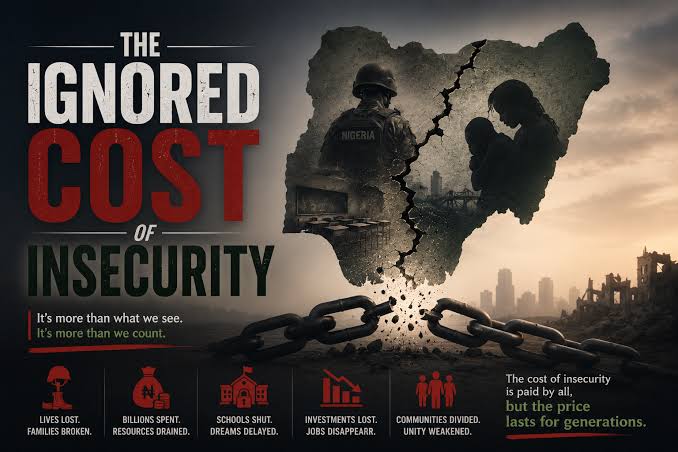
When insecurity is discussed in Nigeria, public attention is often drawn to casualty figures, territories reclaimed, kidnappers arrested, or weapons recovered. While these are important indicators of security operations, they often overshadow one of the most devastating consequences of persistent violence—the loss of human capital and the immeasurable pain endured by families left behind.
Behind every fallen security officer is a family whose future has been permanently altered. These officers are not mere statistics. They are fathers, mothers, husbands, wives, sons, daughters, and breadwinners who made the ultimate sacrifice in the service of their country. Their deaths leave emotional and financial burdens that can last a lifetime.
Recent events have once again highlighted this painful reality. Seventeen police officers undergoing specialised training at the Nigerian Army Special Forces School in Buni Yadi, Yobe State, were killed in a terrorist attack. Around the same period, four officers reportedly lost their lives during an attack on a police facility in Borno State. In Oyo and Kogi states, separate kidnapping incidents further underscored the fact that insecurity remains a nationwide challenge that spares no region.
Against this backdrop, the recent disbursement of more than ₦2.4 billion to 1,075 beneficiaries of deceased police officers by the Inspector-General of Police, Olatunji Rilwan Disu, deserves recognition. The payment, which settled outstanding insurance claims dating back to 2018, represents more than a welfare initiative. It acknowledges the nation’s obligation to honour those who paid the ultimate price in protecting lives and property.
However, while compensation after death is necessary, the conversation must not end there. The greater responsibility lies in ensuring that officers are adequately motivated and supported while they are still in active service.
Improved salaries, better accommodation, quality healthcare, modern operational equipment, psychological support, comprehensive insurance, and continuous professional training are not luxuries. They are essential investments in national security. Officers who confront armed criminals daily should not also have to struggle with poor welfare or uncertainty about the future of their families. A motivated security workforce is not only more effective but also more resilient.
Equally important is the need to depoliticise security. Criminals do not ask their victims about political affiliation, ethnicity, or religion before striking. Terrorists, bandits, and kidnappers threaten every Nigerian regardless of region or background. Yet, discussions around insecurity often descend into partisan blame games rather than constructive conversations about lasting solutions. National security should remain a shared responsibility, not a political contest.
The economic consequences of insecurity are equally severe. Investors become reluctant to commit capital, farmers abandon their farmlands, businesses relocate or shut down, tourism suffers, and entire communities are displaced. Every abandoned farm contributes to food insecurity. Every displaced community represents lost productivity. Every fallen security officer takes with them years of valuable experience that cannot easily be replaced.
As Nigeria continues to confront various security challenges, caution must also be exercised in dealing with criminal groups. While dialogue and peace initiatives may be necessary under certain circumstances, indiscriminate amnesty or concessions that appear to reward violence risk undermining public confidence and damaging the morale of security personnel who continue to risk their lives in defence of the nation. Sustainable peace must be built on justice, accountability, effective intelligence, economic opportunities, and strong institutions—not on appeasement alone.
The recent intervention by the Inspector-General of Police Tunji Disu sends an encouraging signal that the sacrifices of fallen officers have not been forgotten. Yet, the larger challenge remains: how can Nigeria reduce the number of officers who make the ultimate sacrifice? How can the country better equip and motivate those responsible for protecting lives and property? And how can security become a genuine national priority beyond political rhetoric?
When a police officer dies in the line of duty, the loss extends far beyond one family. It is a loss to the entire nation. Until insecurity is treated not only as a security concern but also as a development challenge with profound human and economic consequences, Nigeria will continue to count losses that cannot be measured solely in casualty figures.
The nation owes its security personnel more than posthumous recognition. It owes them the support, protection, and motivation necessary to perform their duties effectively while alive. Only then can the country truly honour the sacrifices of its fallen heroes and move closer to achieving lasting peace and security.
May the labour of our fallen heroes never be in vain.
Niran Bamisaye wrote in from Lagos

