

Second phase of ‘POWA Cares’ to expand healthcare, education support for officers’ families
By Rejoice Peterside
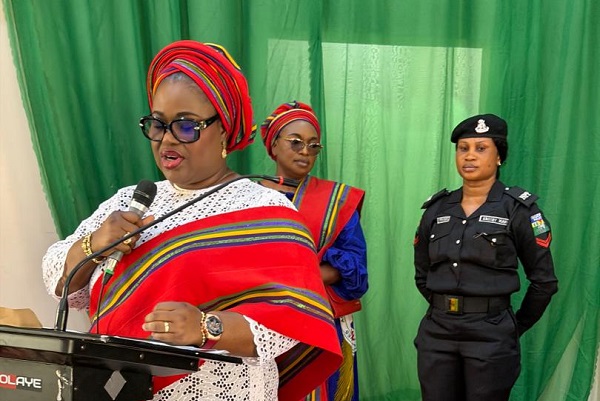
The Police Officers’ Wives Association (POWA) has strengthened its partnership with the National Association of Nigeria Nurses and Midwives (NANNM) ahead of a major welfare outreach for police families in Lagos, as part of efforts to improve healthcare access and overall well-being within the police community.
POWA President, Mrs Olufunmilola Disu, hosted a high-level delegation of the nursing association at the POWA office in Abuja, in what both parties described as a strategic engagement aimed at deepening collaboration on healthcare delivery and social support initiatives.
The delegation, led by NANNM National President, Comrade Haruna Mamman, included senior executives of the association who discussed areas of cooperation and technical support for the upcoming Lagos phase of the POWA Cares Initiative.
The Lagos outreach represents the second phase of the nationwide programme, which is designed to address critical welfare gaps affecting police officers and their families, particularly in the areas of healthcare, economic stability, and social support.
Speaking during the meeting, Mrs Disu stressed that partnerships with professional health bodies remain central to achieving meaningful and sustainable impact.
She noted that the success recorded during the first phase of the initiative in Abuja underscored the urgent need for structured welfare interventions within the police community.
According to her, over 1,000 beneficiaries including police officers, their spouses, and dependents received free eye screenings, treatment, and basic medical consultations during the Abuja outreach. Many of the beneficiaries, she said, reported improved health outcomes, productivity, and overall quality of life.
Building on that success, Mrs Disu disclosed that the Lagos phase would go beyond medical outreach to incorporate broader social support programmes. These include the award of scholarships to 10 children of police officers to study nursing, a move aimed at promoting educational inclusion while also strengthening the country’s healthcare workforce pipeline.
“As nurses, we understand what it means to care beyond the surface. This partnership allows us to extend that care to the families of those who protect our nation,” she said.
She added that the initiative reflects a growing recognition that the effectiveness of police personnel is closely tied to the well-being of their families, stressing that improved welfare translates into better service delivery.
On his part, NANNM President Haruna Mamman reaffirmed the association’s commitment to supporting the initiative, noting that nurses play a critical role in community health and preventive care.
He said the partnership would ensure the deployment of qualified healthcare professionals to deliver quality services during the outreach, while also strengthening ongoing collaboration between the nursing body and the police community.
The meeting also brought to the fore concerns about the increasing activities of unlicensed and unqualified medical practitioners. Both POWA and NANNM agreed on the need for stronger collaboration to identify, report, and curb such practices, which they said pose serious risks to public health.
Stakeholders at the meeting emphasised that tackling quackery in the health sector would require coordinated action between professional bodies, regulatory authorities, and security agencies.
The Lagos outreach, scheduled for later this month, is expected to bring together healthcare professionals, volunteers, and key stakeholders to deliver integrated services, including medical consultations, screenings, and social support interventions to police families across the state.
With the expansion of the POWA Cares Initiative, stakeholders say the programme is gradually evolving into a structured platform for addressing long-standing welfare challenges within the police community, while also strengthening ties between health professionals and law enforcement families.

