

Babatunji Wusu –
-
New bill HB 2487 aims to prohibit public and civil servants, including their immediate families, from patronizing private education and healthcare facilities.
-
The initiative seeks to restore public confidence and improve the quality of Nigeria’s public institutions by compelling leaders to use and support government-run schools and hospitals.
-
Sponsored by Hon. Amobi Godwin Ogah, the bill emphasizes leadership by example as vital to reversing the decline of public services.
-
The bill also addresses conflict of interest concerns and aims to uphold integrity and high standards within public institutions.
-
The shift by officials toward private and foreign services is identified as a key factor in the deterioration of Nigeria’s public education and healthcare systems.
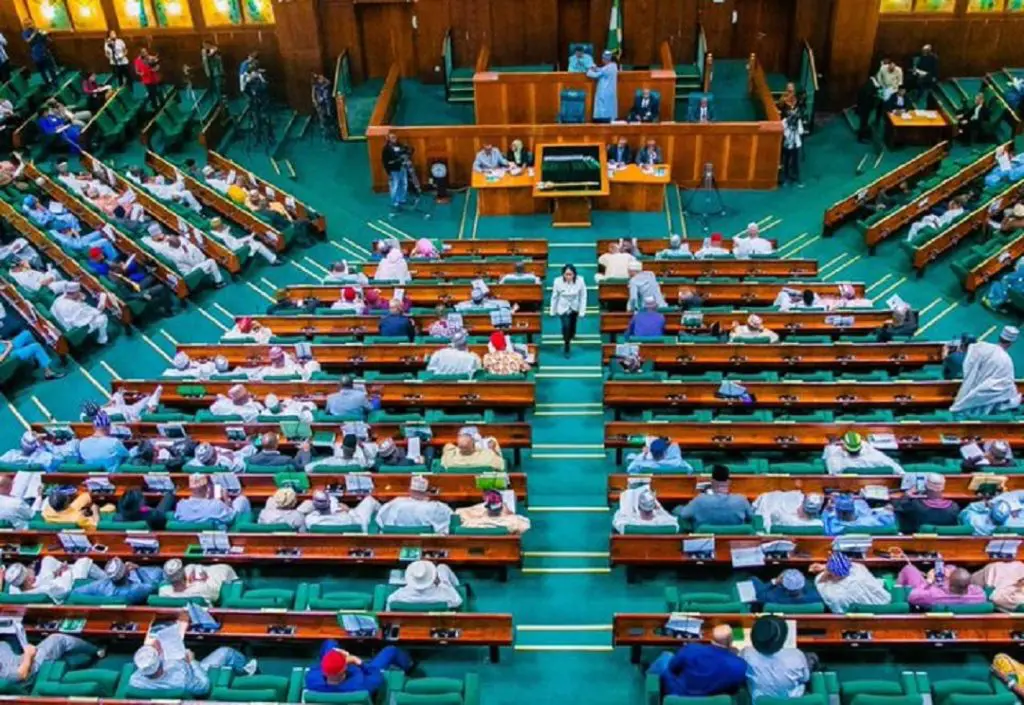
The Nigerian House of Representatives has introduced a significant legislative proposal, House Bill 2487, that seeks to mandate public officials and civil servants—and their immediate families—to exclusively use public schools and healthcare services rather than private alternatives. The bill, formally introduced during Tuesday’s plenary session, is a strategic effort to rebuild trust and confidence in Nigeria’s public institutions.
Speaking to journalists at the National Assembly, Hon. Amobi Godwin Ogah, the bill’s sponsor, described the measure as essential for reversing the prolonged decline in Nigeria’s public education and health sectors. He emphasized that when leaders patronize the services they govern, it fosters credibility and drives genuine reform. According to Ogah, the prevalent trend of government employees favoring private and foreign schools and hospitals undermines the public sector and weakens national development.
Ogah further recalled that Nigeria’s founding fathers, including Ahmadu Bello, Nnamdi Azikiwe, Obafemi Awolowo, and Tafawa Balewa, all received public education—a standard now eroded by modern-day officials’ preferences. He highlighted alarming statistics indicating Nigeria’s rising expenditure on foreign education as a reflection of diminishing faith in domestic public schools. The bill aims to halt this “educational tourism” among public servants and encourage reinvestment and renewed commitment to public services.
In addition to restoring trust, HB 2487 seeks to eliminate conflicts of interest inherent when public servants rely on private institutions unavailable to the general population. Ogah framed the bill as part of broader reforms in the public sector, akin to the ongoing removal of petroleum subsidies, underlining the need for consistency in reform policies.
The bill is currently at its initial stages and will undergo further debate and public hearing before a final vote. If enacted, it promises to reshape public servants’ engagement with public education and healthcare, promoting accountability and improved standards across these critical sectors.

